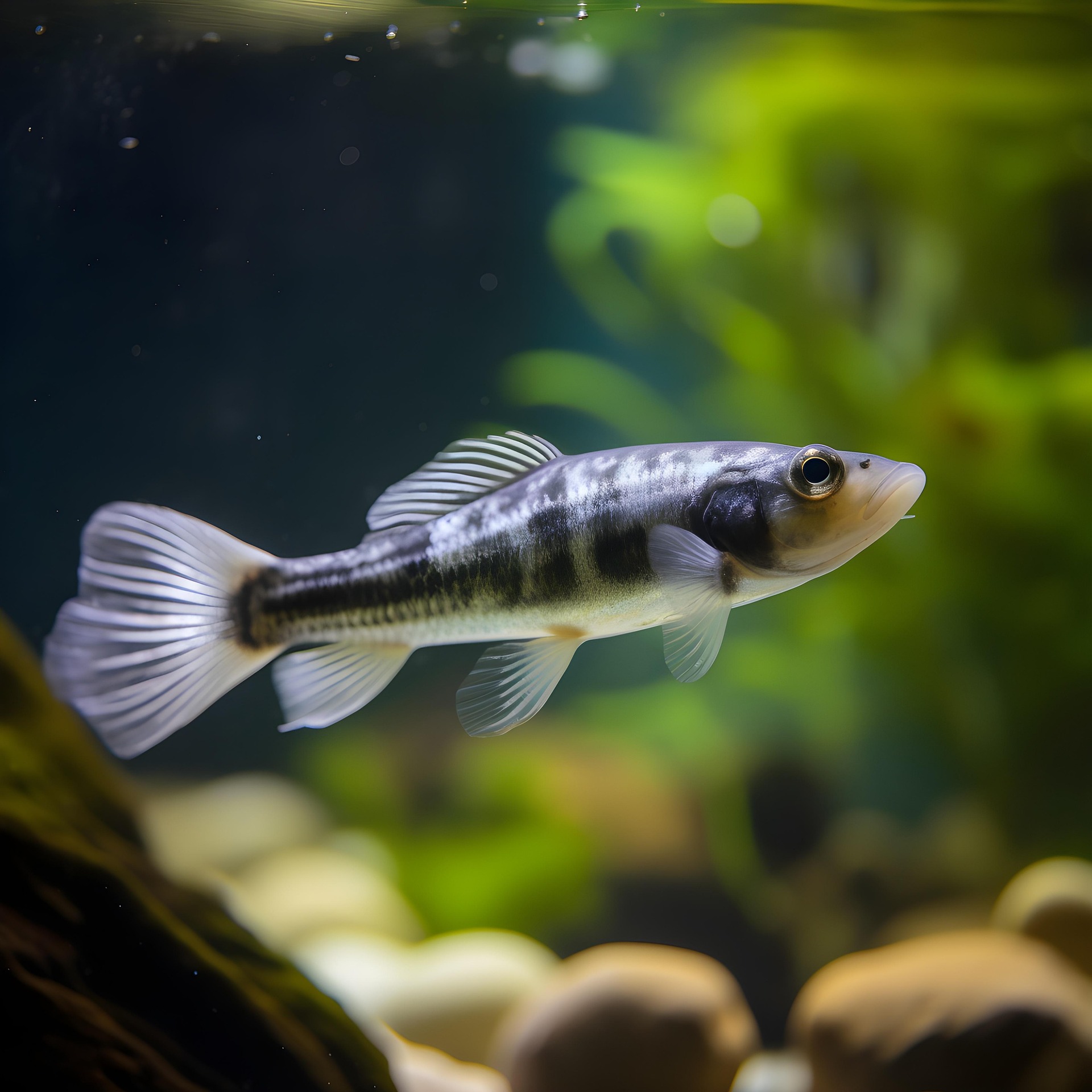
Aquariums have problems. It's part of it. The good news is that most common problems have known solutions. This guide covers the most frequent challenges aquarists face and how to deal with each one.
New aquarium: Bacterial bloom during cycling. Normal in first days/weeks.
Established aquarium: Excess feeding, dirty filter, or some change that unbalanced bacteria.
If it's a new aquarium, be patient. Will clear on its own as bacteria stabilize. Don't change all water (restarts process).
If it's established aquarium: reduce feeding, check filter, do partial changes (20-30%). Don't clean everything at once.
Microscopic algae in suspension. Usually caused by excess light (especially direct sunlight) and/or excess nutrients.
Reduce lighting period (6-8 hours is sufficient). Block any direct sunlight. Do partial changes to dilute nutrients. Reduce feeding. In extreme cases, blackout for 3-4 days (aquarium completely dark, fish can handle it). UV sterilizer solves quickly but doesn't treat the cause.
Common in new aquariums. Feed on silicates present in tap water and new substrates. Usually disappear on their own after a few weeks.
Patience. Clean manually (come off easy). Nerite snails and Otocinclus love to eat them. Increasing light a bit can help (favors other competing algae). They'll go away when silicates run out.
Imbalance between light, CO₂ and nutrients. Frequent in planted aquariums with strong light but no injected CO₂.
Remove manually as much as possible. Reduce lighting or add CO₂ (to balance). Water changes. Amano shrimp are excellent eaters of these algae. Avoid fertilizing until controlled.
Lack of oxygen: Stagnant water, very high temperature (hot water holds less O₂), overpopulation.
Water quality problem: High ammonia or nitrite damages gills.
Increase surface movement (adjust filter outlet, add air pump). Check temperature. Test ammonia and nitrite. If parameters are bad, immediate partial change.
Uncycled aquarium, overpopulation, excessive feeding, damaged/incorrectly cleaned filter, dead fish rotting.
Immediate partial change (30-50%). Don't feed for 1-2 days. Check if there are dead fish. Don't clean filter (preserve bacteria). Continue daily partial changes until stabilized. Identify and correct root cause.
There's always a reason, even if not obvious. Water quality (test everything), undetected disease, stress (aggression, incompatibility), environmental problem (toxin, temperature).
Test ammonia, nitrite, nitrate, pH. Check temperature. Observe signs of disease in survivors. Review what changed recently (new fish? new product? new decoration?). Think about possible contaminants (insecticide spray in environment? hands with soap in water?).
Came in on plants or decoration. Reproduce explosively when there's abundant food (you're overfeeding).
Reduce feeding (without extra food, population stabilizes). Remove manually. Trap: lettuce leaf at night, remove in morning with snails attached. Assassin snails eat other snails. Avoid chemicals (kill snails, decomposition pollutes water).
Low water level (air intake), dirty or damaged impeller, vibration against glass.
Check water level. Clean impeller (internal propeller). Check if well secured. If noise persists, impeller may need replacement.
Undersized heater for aquarium size, defective heater, poor positioning (needs water flow passing).
Check recommended power (usually 1W per liter). Position near filter outlet. If still doesn't work, may be defective. Heaters fail, have a spare.
Prevention is better than remediation
- Weekly partial changes (20-30%)
- Regular water testing (at least biweekly)
- Don't overfeed
- Daily observation of fish
- Monthly filter maintenance
- Quarantine of new fish
Most aquarium problems come from gradual neglect: skipped water changes, excessive feeding, overpopulation. Maintaining basic routine, you avoid 90% of crises.
And when problems appear, don't panic. Investigate, identify the cause, correct calmly. Drastic actions (changing all water, medicating without diagnosis, cleaning everything) usually make things worse.