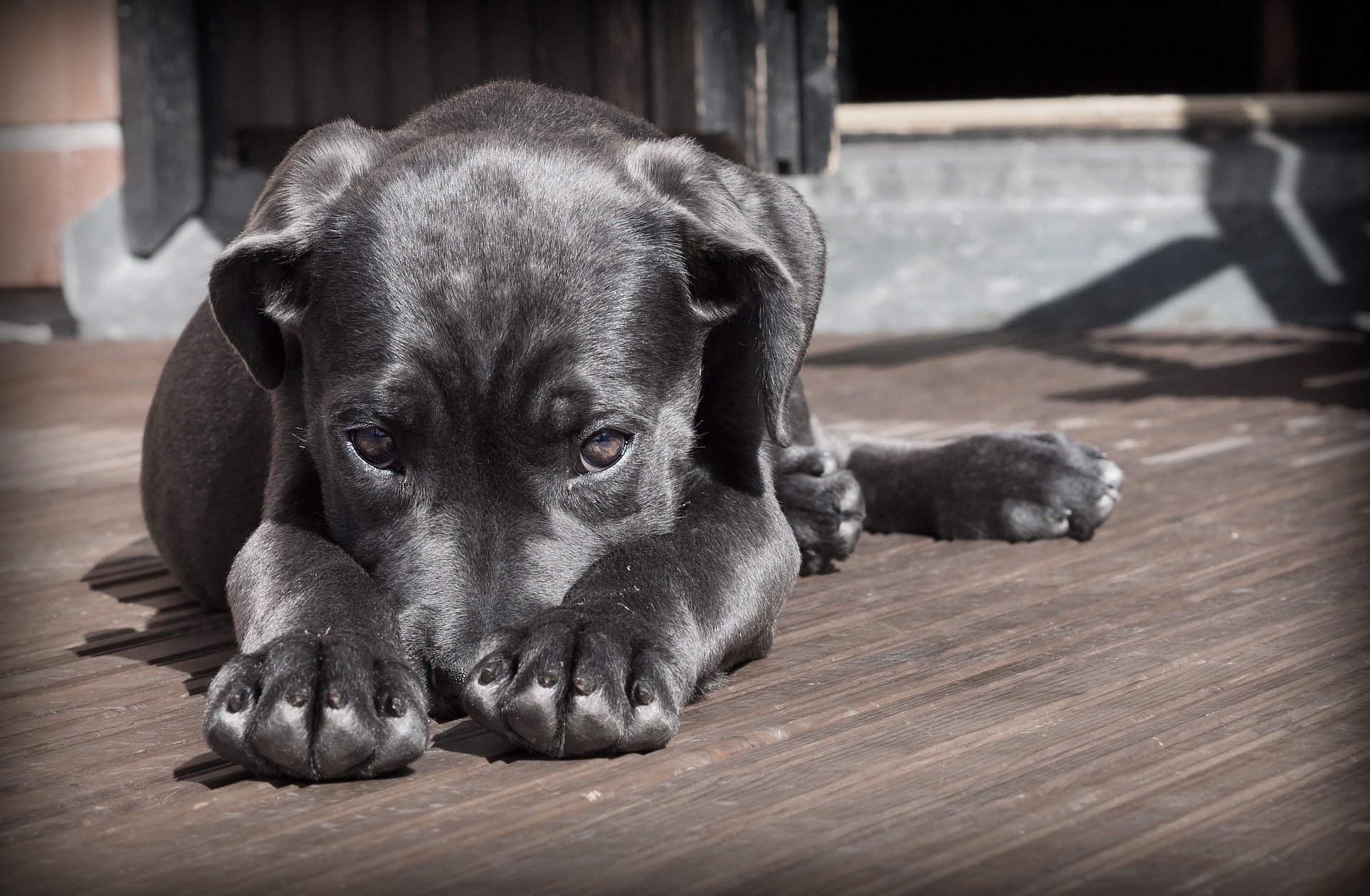
Adopting a dog changes your life in ways you don't expect. It might seem like an exaggeration, but it's not. Suddenly you have fixed schedules, new responsibilities and a being that depends completely on you. And the most curious thing: most people don't prepare properly for this.
This text is for those thinking about having a dog for the first time or just adopted one. I'll try to cover what really matters in the first months, without fluff.
Before bringing the dog home
The excitement is big, I know. But it's worth holding back a bit and thinking about some practical things. First: do you have time? A dog is not a cat. He needs attention, walks and interaction. If you work outside all day and live alone, you need to think about how this will work.
Second point: money. You don't need to be rich to have a dog, but costs exist. Reasonably quality food costs between R$150 and R$300 per month depending on size. Veterinarian, vaccines, deworming, flea control... in the first year you'll spend more, then it stabilizes. It's good to have a reserve for emergencies too.
Third: space. A small dog can live well in an apartment. A large dog too, as long as you compensate with walks. The problem isn't the size of the space, it's the lack of exercise.
What to buy beforehand
Some people buy a bunch of things and don't use half. Others buy nothing and end up improvising. The middle ground works best.
The essentials really are: food and water bowls (preferably heavy, ones that won't tip over), collar and leash, food appropriate for the dog's age, and a place for him to sleep. It can be a bed, it can be an old blanket in a corner. In the beginning, he'll probably sleep wherever he wants anyway.
Puppy pads are useful in the first days if it's a puppy. Toys are important, but you don't need to exaggerate. Two or three will do. Many puppies prefer chewing slippers and broom handles than the expensive toy you bought.
If you're adopting, ask what the dog was eating before. Keeping the same food in the first days avoids stomach problems. Afterward you can switch gradually if you want.
The first days at home
This is where many people make mistakes. The dog arrives in a completely new environment, full of different smells, different people. It's stressful for him, even if it doesn't seem like it.
Let him explore at his own pace. Don't force interaction, don't call the whole neighborhood to meet the new pet on the first day. If you have children, teach them not to chase the dog and to leave him in peace when he's in his corner.
Puppies cry at night. It's normal. They miss their mother and siblings. Some people leave a clock ticking near the puppy's bed, or a bottle of warm water wrapped in cloth. It helps a little. But mainly: it will pass. In one or two weeks he gets used to it.
Where will he sleep?
This decision is yours. Some people let him on the bed, some find it absurd. There's no right or wrong here, there's what works for you. The only advice is: be consistent. If you decide he won't get on the bed, keep that from the first day. Dogs learn by repetition.
Teaching where to go potty
Puppies don't have full bladder control until about 4-6 months. They will make mistakes. A lot. The secret is patience and consistency.
The basic method works like this: take the puppy to the right place (pad, newspaper or outdoor area) right when he wakes up, after eating and after playing. These are the most likely times. When he does it in the right place, praise him a lot. When he makes a mistake, don't shout and don't rub his nose. Just clean it up and take him to the right place.
Cleaning products with ammonia are bad because the smell reminds them of pee. Use diluted bleach or enzymatic products made for this.
Tip that works: if he goes in the wrong place, put a little of the pee or poop in the right place. The smell helps him understand where he should go.
Socialization: the window that closes
Between 3 and 12 weeks of life, the puppy is in the socialization period. This is when he forms his opinion about the world. What he meets during this phase, he'll accept well for the rest of his life. What he doesn't meet, he may find strange or fear later.
This means you need to introduce him to different people, sounds, environments, other animals (vaccinated!), children, cars, construction noises... All calmly, without forcing, always associating with good things like treats and affection.
If you adopted an adult dog, socialization is still possible, but it's slower and requires more patience.
Veterinarian and vaccines
In the first week, take to the veterinarian. Even if the dog seems healthy. The vet will examine, guide about vaccines and deworming, and you'll already establish a reference professional.
Puppies need a series of vaccines: usually V8 or V10 (which protects against several diseases) in three doses, with interval of 21-30 days, and rabies after. Until completing the protocol, avoid leaving him on the ground in public places where other dogs pass.
Deworming usually starts at 2 weeks of life and repeats periodically. The vet indicates the right protocol.
Common mistakes of those starting out
Giving too much food. Fat puppies seem cute, but obesity causes serious problems. Follow the quantity indicated on the food package.
Not establishing boundaries. The cute little puppy that bites your hand playing will turn into an adult dog that bites your hand playing. Only difference is it will hurt. Teach from early age what's allowed and what's not.
Over-humanizing. A dog is not a human baby. He doesn't need clothes (except in extreme cold), doesn't need a birthday party, doesn't need to eat what you eat. He needs exercise, discipline and affection, in that order.
Not walking. Even if you have a yard, the walk is important. It's physical and mental exercise. The dog learns new smells, sees different things. Two walks of 20-30 minutes per day make an enormous difference in behavior.
Never leave cleaning products, medicines, chocolate or toxic plants within reach of dog. Puppies put everything in their mouth. Household accidents are more common than you imagine.
It will be work, but worth it
The first months are the hardest. You'll lose sleep, you'll get irritated, you'll ask yourself why you did this. It's normal. Everyone who has a dog has been through this.
But it passes. The mischievous puppy becomes a companion. The scared adult dog learns to trust. And then you understand why so many people say dog is man's best friend.
There's no perfect manual. Each dog is different. What works for one may not work for another. The important thing is to have patience, be consistent and not be ashamed to ask for help when you need it, whether to a veterinarian or to a trainer.
Good luck with your new companion.