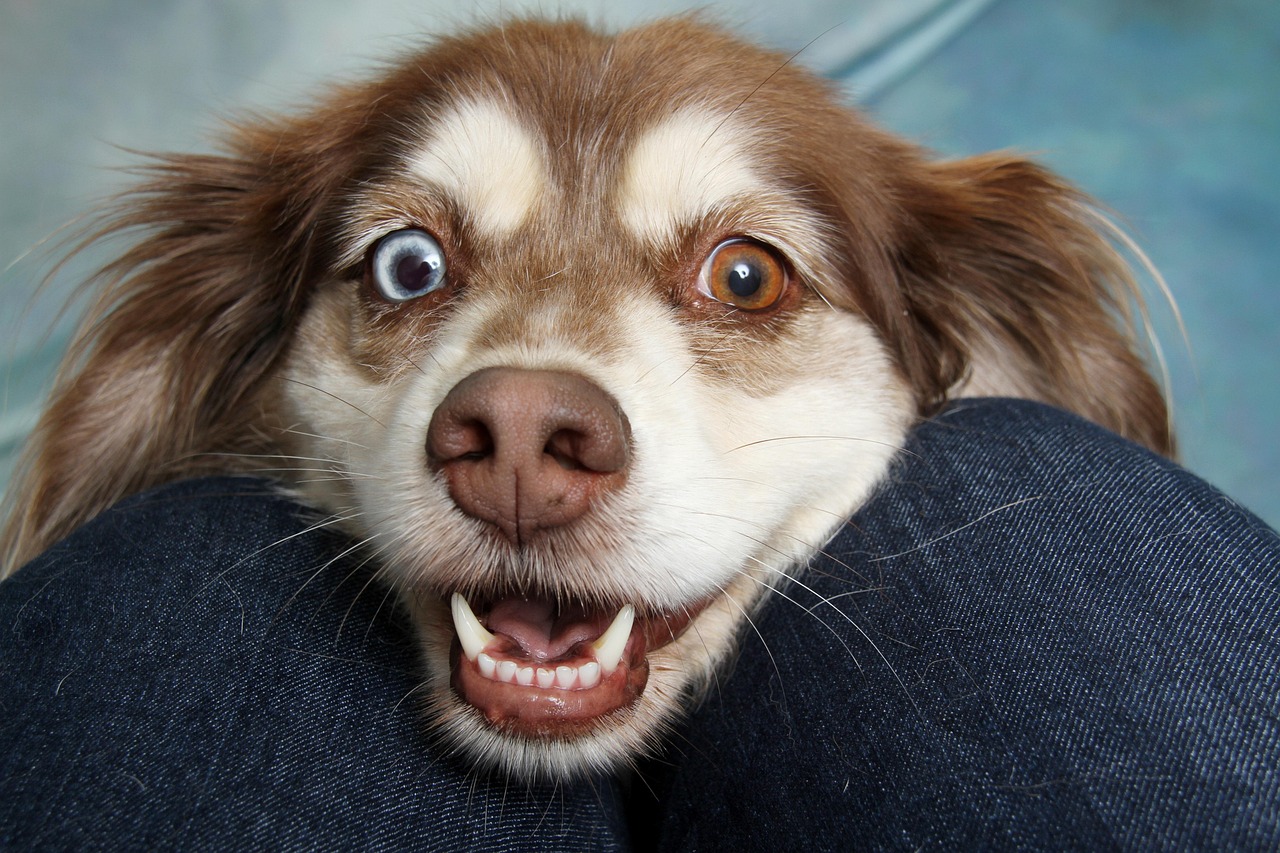
The snout that was all black now has white fur. It takes longer to get up in the morning. Doesn't run after the ball with the same enthusiasm as before. Aging is part of life, and seeing our companion enter this phase brings a mix of affection and concern.
The good news is that with the right care, many dogs live well into advanced age. The senior phase doesn't need to be synonymous with suffering. It does need adaptations.
When is a dog considered senior?
Depends a lot on size. Small dogs live longer and age more slowly. Giant dogs have shorter life expectancy and enter old age earlier.
| Size | Adult weight | Considered senior |
|---|---|---|
| Small | up to 10kg | 10-12 years |
| Medium | 10-25kg | 8-10 years |
| Large | 25-40kg | 6-8 years |
| Giant | above 40kg | 5-6 years |
These numbers are approximate. Each dog ages at its own pace. The important thing is to observe changes and adapt to them.
Changes you'll notice
Some changes are gradual and we don't even notice until we stop to think. Others are more obvious.
Mobility: It takes longer to get up, especially after sleeping. May hesitate before going up stairs or jumping on the couch. Shorter walks, slower pace. May limp on cold or humid days.
Vision and hearing: Eyes may become bluish or opaque (nuclear sclerosis, different from cataracts). It may not notice you arriving if you come from behind. Stops responding when you call from another room.
Behavior: Sleeps more. May become more clingy or, on the contrary, more reclusive. Some become more anxious or fearful of things that didn't bother them before. Occasional disorientation.
Appetite and weight: May decrease or increase. Slower metabolism means the same amount of food can cause weight gain. Bad teeth can make chewing difficult.
Adapting the routine
The most common mistake is thinking that old dogs don't need exercise. They do, just different. Stopping moving is the worst that can happen to joints that are already worn.
Replace runs with walks. Several short walks work better than one long one. Let it dictate the pace. If it stops to sniff more, let it. If it wants to go back home, go back. Forced exercise causes more harm than good.
A neighbor once told me: "Old dog is like an old engine. Needs to warm up before working properly." Makes sense. Don't demand performance right when it wakes up.
Swimming is excellent if you have access. Water supports weight and allows exercise without impact on joints. Veterinary physiotherapy also exists and can help a lot in cases of arthritis.
Feeding in old age
Senior dog foods exist for a reason. Usually have fewer calories (because they expend less), more fiber (old intestine is lazier), and supplements for joints like glucosamine and chondroitin.
The transition should be gradual, like any food change. Mix the new with the old over a week.
If the dog has dental problems and difficulty chewing dry food, you can soften with warm water or use wet food. Some owners opt for natural feeding at this stage, which can work well as long as it's balanced and guided by a veterinary nutritionist.
Comfort at home
Small adaptations make a big difference:
Orthopedic bed or thicker mattress. Sore joints appreciate a surface that cushions. Avoid beds too low from which it needs to make effort to get up.
Ramps instead of stairs, if possible. If it used to get on the couch or bed and now hesitates, a ramp or small stairs solves it. Some owners simply prohibit access to furniture at this stage, which is also valid.
Slippery floors are a problem. Non-slip rugs in places where it walks most help. Old paws sometimes lose "grip".
Water bowls in several places in the house. If it has mobility difficulty, it won't want to cross the whole house to drink water. And hydration is important.
Common problems in old age
Arthritis
Joint wear. Causes pain and stiffness. Very common in large dogs and in any dog that has lived enough years. No cure, but can be controlled with anti-inflammatories, supplements, physiotherapy and weight control.
Heart problems
Cough, especially at night or after exercise, may indicate heart problem. Excessive tiredness, difficulty breathing, fainting. Small breeds are more prone. Routine cardiac exam is recommended for senior dogs.
Kidney problems
Kidneys gradually lose function with age. Signs include drinking lots of water, urinating a lot, loss of appetite, weight loss. Regular blood tests detect early. Special diet and medication can prolong quality of life for years.
Canine cognitive dysfunction
It's like a canine Alzheimer's. The dog becomes disoriented, sometimes doesn't recognize familiar people or places, has changes in sleep cycle, may show repetitive behaviors or stare at nothing.
No cure, but medication and environmental enrichment can slow progression. Keeping a predictable routine helps the dog orient itself.
Incontinence
Losing urine during sleep or not being able to hold it like before. May be muscle weakening, hormonal problem, urinary infection or sign of something more serious. Worth investigating before simply accepting as "old age thing".
Quality versus quantity
This is a difficult but important subject. At some point you'll ask yourself: until when? How to know if it's still doing well or if it's suffering?
Veterinarians use quality of life scales that assess things like: can it still do things it likes? Does it eat? Does it interact with the family? Is pain controlled? Does it have more good days than bad?
There's no universal answer. Each owner knows their dog and needs, together with the veterinarian, to assess what makes sense. The important thing is that the decision is made thinking about the animal's well-being, not our difficulty in letting go.
Enjoy the time
Old dogs have a special sweetness. They know you like no one else. They know your schedules, your moods, your habits. The relationship you've built over the years is unique.
Don't focus only on problems and limitations. Focus on what can still be done. Affection, quiet moments together, special treats (approved by vet), that spot in the sun it loves. The senior phase can be a period of deep connection if you allow it.
And take photos. Lots of photos. You'll want to have them.