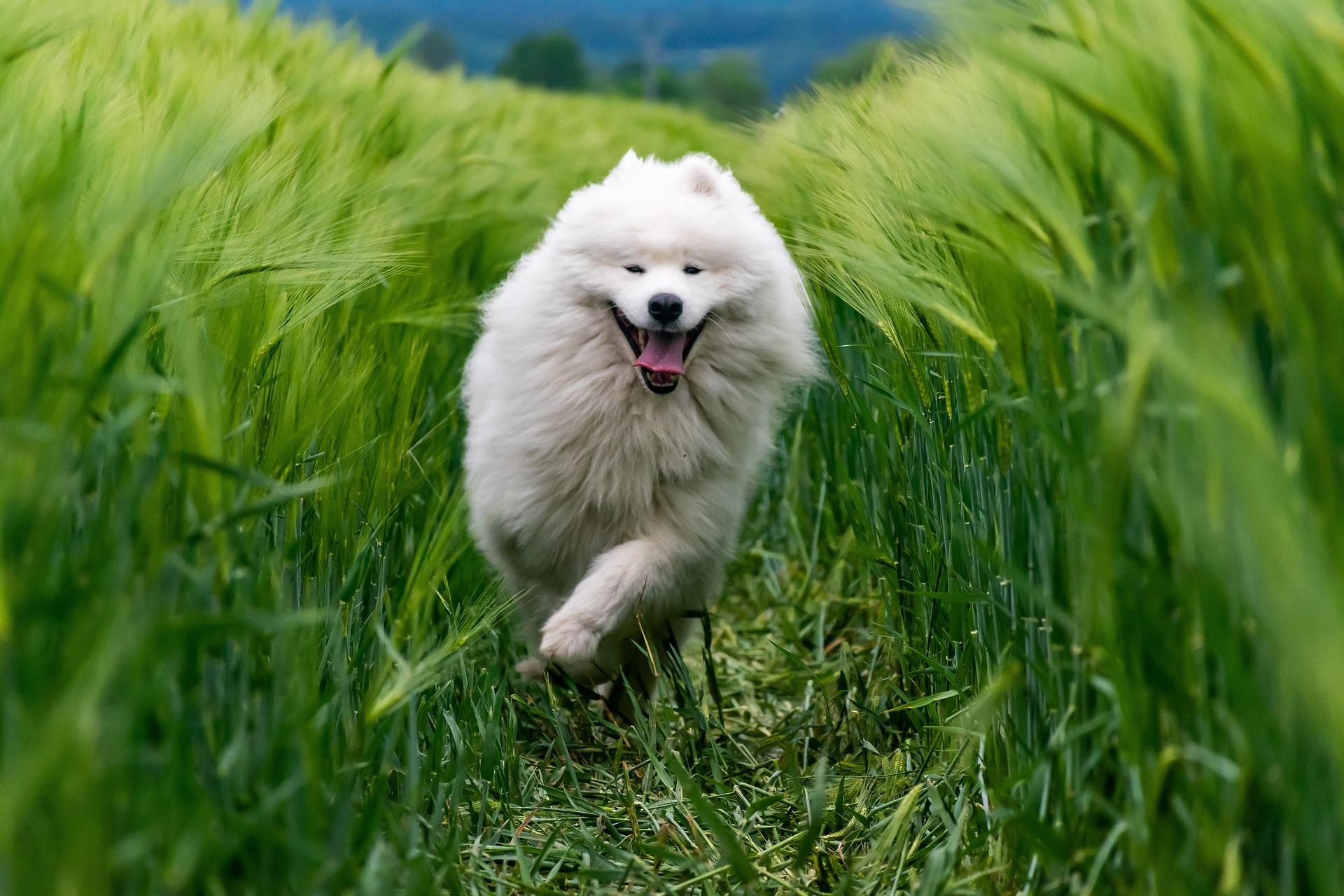
The Labrador Retriever has been the world's most popular breed for decades. Not by chance. It's a versatile dog that adapts to practically any family, as long as that family is willing to deal with an animal with high energy and an even higher appetite.
Many people confuse Labrador with Golden Retriever. They're cousins, developed for similar functions, but have important differences worth knowing.
Labrador colors
The Labrador comes in three official colors:
There's a legend that chocolate Labs are more "crazy" or have more health problems. Recent studies suggest there may be some truth to this, not because of the color itself, but because selective breeding for this less common color may have limited the gene pool. But in practice, individual variation is huge. There are crazy black Labs and calm chocolate Labs.
"Silver" Labs and other unusual shades exist, but are controversial in the breeding world. Most breed clubs don't recognize these colors.
Origin
Despite the name, the Labrador didn't come from the Labrador region in Canada, but from neighboring Newfoundland. Fishermen used local dogs to help pull nets and retrieve fish that escaped. These dogs were taken to England in the 19th century and refined into the breed we know today.
The original function explains a lot about the modern Lab: love of water, cold resistance, willingness to work, "soft mouth" to carry things without damaging.
Temperament: what to expect
Labs are sociable dogs. Not in the sense of "tolerate others", but genuinely excited about any social interaction. People, other dogs, children. Strangers on the street. The mailman. Everyone is a potential best friend.
This is great for family, terrible for those who want a guard dog. A Lab will probably wag its tail at an intruder and show where the valuables are. There are exceptions, but generally don't count on them for protection.
My neighbor has a Lab that barks fiercely when someone arrives. Then the person enters and it rolls on its back asking for petting. Zero intimidation.
They're also dogs that take time to "grow up mentally". A 2-year-old Lab is still basically a big puppy in an adult body. Many only really calm down after 3-4 years, and even then maintain a certain joviality throughout life.
Energy and exercise
Labs have energy to spare. They were bred to work all day, and that energy needs to go somewhere. Without adequate exercise, it goes to the sofa, shoes, walls. Destruction is a common symptom of under-exercised Lab.
How much exercise? Minimum one hour per day for healthy adults, more if possible. Walks, runs, swimming (they love it), fetch, agility. Variety is good because it also stimulates mentally.
Puppies need controlled exercise. Rapid growth of large breeds makes joints vulnerable. No long runs or intense jumps until 12-18 months.
Labrador vs Golden Retriever
The most common question. Both are retrievers, both are excellent family dogs, both need exercise. But they have differences:
Quick comparison
| Coat | Lab has short and dense hair. Golden has long and wavy hair. Lab requires less brushing, but both shed a lot. |
| Energy | Labs tend to be a bit more intense and "explosive". Goldens are active but usually a tone below. |
| Sensitivity | Goldens are more emotionally sensitive. Labs are more "tough" and recover quickly from frustrations. |
| Health | Both have predispositions. Goldens have higher cancer rates. Labs have more obesity and joint problems. |
| Longevity | Labs live a bit longer on average (10-14 years vs 10-12 for Goldens). |
In practice, both are excellent choices and the day-to-day difference is small. Choose by what attracts you more visually or, better yet, meet examples of both breeds before deciding.
Feeding: the eternal challenge
Here is the Labrador's Achilles heel. They eat. They eat everything. They always eat. They eat anything. A Cambridge study found that a genetic mutation in many Labs affects the gene that regulates satiety. Literally, they don't feel satisfied.
This means you need to be strict. The amount on the food package, adjusted for ideal weight (not current weight if overweight). No extras. No table scraps. No "just a little bit won't hurt".
Obesity is epidemic in the breed. And causes serious problems: worsens dysplasia, overloads the heart, increases diabetes risk. Keeping the Lab at weight is one of the greatest gifts you can give for its health.
Health
Like all large breeds, Labs have specific predispositions:
Hip and elbow dysplasia: Joint malformation that causes pain and arthritis. Responsible breeders x-ray breeding stock and avoid breeding affected dogs.
Progressive retinal atrophy: Eye disease that can lead to blindness. Genetic test exists.
Exercise-induced collapse (EIC): Genetic condition where the dog may collapse after intense exercise. DNA test available.
Obesity: We already talked about it. It's a health problem, not just aesthetic.
Ear problems: Droopy ears retain moisture, favoring ear infections. Dry well after bathing or swimming, check regularly.
The good news: Labs in general are robust. With basic care, many live long and healthy lives. The bad news: when problems appear, large dog treatment costs a lot.
Training
Labs are easy to train. They're motivated by food (very motivated), want to please, and learn fast. Positive reinforcement works wonderfully.
The challenge is more about consistency than capability. A Lab knows perfectly well it shouldn't jump on people. It chooses to do it anyway because it's more fun. Keeping rules firm, even when it's being very cute, is constant work.
Socialization from puppyhood is important. Well-socialized Labs are confident and calm in any situation. Non-socialized Labs can be very intense and even scary to people who don't know the breed, even without being aggressive.
Is Lab for you?
Yes, if you want an active, tolerant and sociable companion. If you have time for substantial daily exercise. If you can resist those eyes when it asks for food. If you don't mind fur (short but lots).
No, if you want a calm and low-maintenance dog. If you're away many hours and the dog would be alone. If you want a guard. If you have fur allergies or obsession with cleanliness.
Finding your Lab
The breed's popularity means lots of supply, but not all supply is good. Avoid "backyard breeders" who have puppies year-round, don't do health tests, and sell very cheap.
Responsible breeders will ask you questions. Will want to know about your home, your routine, your experience. This is a good sign, means they care about where the puppies go.
Adoption is an option. Labs appear in shelters more than you imagine, usually because people didn't research the breed before. Adults can be a great choice: you already see the formed temperament and skip the destructive puppy phase.
Whatever the source, prepare for a 10-14 year journey with a dog that will love you unconditionally, eat everything you leave within reach, and probably make you laugh every day.