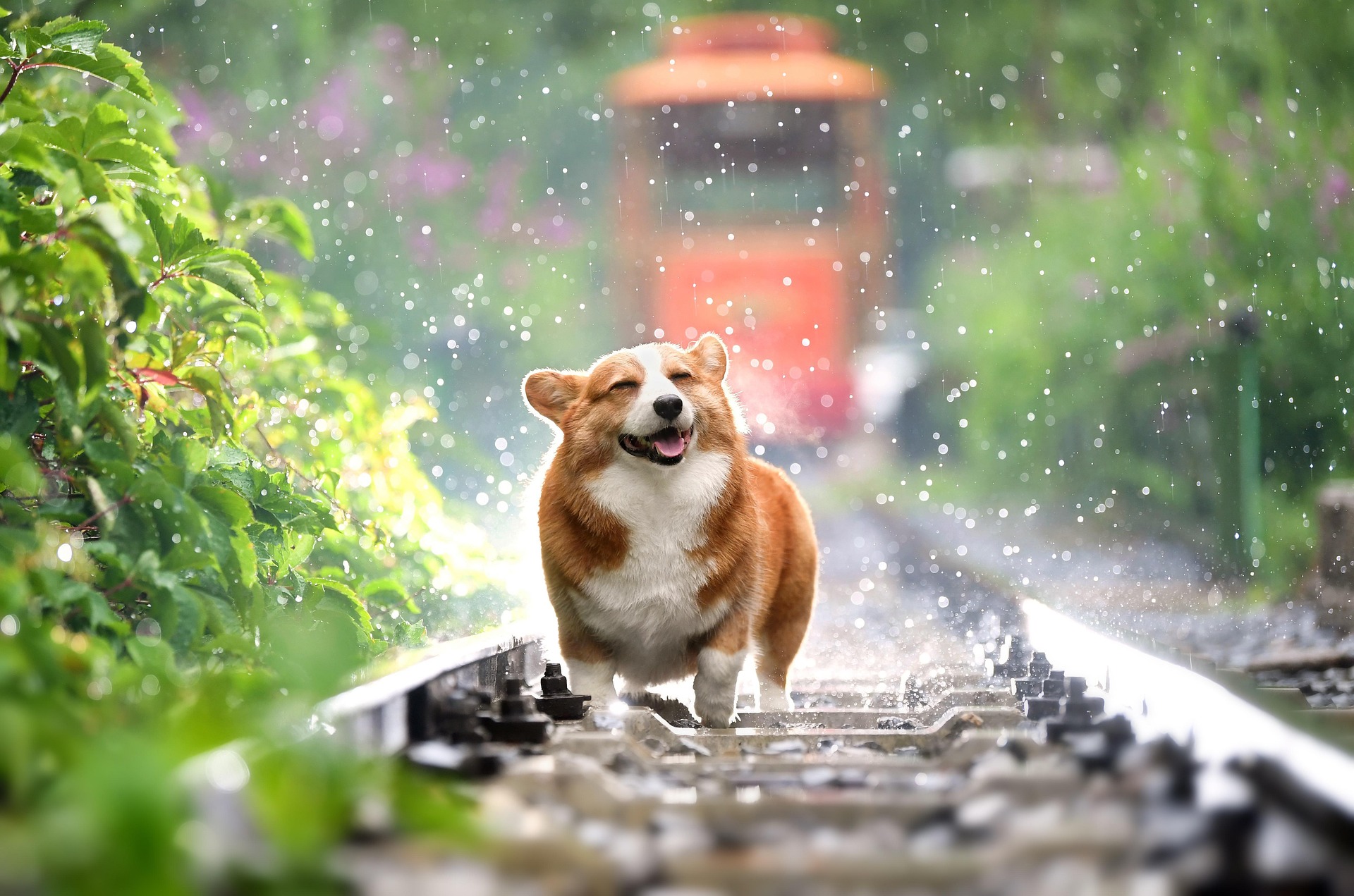
Taking the dog along on adventures is one of the joys of having one. But it requires planning. You can't just throw it in the car and start driving. Safety, comfort, documentation, all of this matters.
I'll cover from neighborhood walks to longer trips. Each situation has its particularities.
Daily walks
The basics we sometimes forget: well-adjusted collar or harness, leash in good condition, identification with your phone. Seems obvious, but the number of dogs that get lost because they escaped from a loose collar is absurd.
Harness is safer than collar for most dogs, especially those that pull. Distributes pressure across the chest instead of concentrating on the neck. Brachycephalic breeds (flat snout) should definitely use harness because they already have breathing difficulty.
A neighbor lost their dog because it managed to remove the collar when scared by thunder. Microchip and identification tag saved it, but it was three days of despair until finding it.
About where to walk: vary routes from time to time. Dogs love new smells. The same block every day works, but exploring a different park on weekends is enrichment.
Car travel
Dog loose in car is dangerous. For it and for you. In a sudden brake, it becomes a projectile. Besides, it can interfere with driving if it decides to jump on your lap.
Safe options: dog-specific seat belt (attaches to harness), transport crate secured on seat or trunk, divider separating the dog's space.
If the dog isn't used to car, start slowly. First let it enter the parked car, with treats. Then start the engine without moving. Then go around the block. Gradually increase. Forcing a long trip with a dog that never rode in a car is a recipe for nausea and trauma.
Some dogs get nauseous even after getting used to it. Signs are excessive salivation, restlessness, repeated yawning, vomiting. If yours is like this, talk to the veterinarian about travel medication.
During the trip
Stop every 2-3 hours for it to do business, drink water and stretch legs. Never leave the dog alone in a closed car, not even for "just a minute". Internal temperature rises very quickly, even on mild days. Dogs die from hyperthermia this way every year.
Food: avoid feeding much before traveling to reduce nausea risk. A light snack 2-3 hours before, and then only small treats during stops.
Plane travel
More complicated, but possible. Rules vary quite a bit between airlines, so always confirm directly with them before buying tickets.
Basically there are two modalities: cabin (with you) or cargo hold (as cargo). Small dogs, usually up to 8-10kg including transport crate, can go in cabin on most airlines. Larger dogs go in pressurized and climate-controlled cargo compartment.
Required documentation
Domestic flights in Brazil usually require:
- Health certificate issued by veterinarian (short validity, usually 10 days)
- Vaccination card with up-to-date rabies
- Microchip (required by some airlines)
International flights are more complex. Depend on destination country. Some require quarantine, specific exams, consular certificates. Start informing yourself months before.
Bus travel
Most bus companies in Brazil don't accept animals, except guide dogs. Some specific lines or smaller companies may have different policies. Always confirm before.
Alternatives: own car, carpool, or, in some cases, pet transport services that do intercity trips.
Pet-friendly accommodation
The market for hotels and inns that accept animals has grown a lot. But "accept" doesn't mean "be prepared". Some tips:
Confirm rules before booking. Some places have weight or quantity limits for animals. Some charge extra fee. Some only accept in specific rooms.
Ask about outdoor area. Is there space to walk? Is it safe? Are there other dogs staying?
Bring the bed or blanket the dog knows. Familiar smell helps it feel safer in new environment.
Don't leave the dog alone in the room for long periods. It may bark, scratch the door, do business in the wrong place due to anxiety.
What to bring
Essential items
- Enough food for the entire trip (plus a bit extra)
- Water and food bowls
- Collar/harness and leash
- Bags to pick up feces
- Documents (vaccination card, certificate if needed)
- Medications if the dog takes any
- Transport crate or seat belt
Recommended
- Bed or blanket with home smell
- Favorite toy
- Treats
- Towel (to dry if wet, line surfaces)
- Basic first aid kit
- Recent photo of the dog (in case it gets lost)
- Veterinarian contact at destination
When not to bring
Sometimes the best decision is to leave the dog at home with someone trustworthy or at a pet hotel. Consider this if:
The trip is very long and stressful, and the destination doesn't offer anything special for the dog. A week in Europe jumping from city to city? It will spend most of the time in transport crate or waiting at hotel.
The dog has health problems that make the trip risky.
The destination has restrictions that will greatly limit what you can do together.
The dog is very anxious and trips leave it extremely stressed, even with preparation.
Bringing the dog because you'll miss it, even if it's better for it to stay, is putting your needs above its. Sometimes, leaving it is the gesture of love.
Destinations with the dog
Beaches: some beaches allow dogs, others don't, others allow at specific times. Research before. If allowed, bring fresh water for it to drink (salt water is bad) and shade. Be careful with hot sand on paws.
Trails: great program for active dogs. Check if the place allows animals (national parks usually don't). Bring enough water for both of you. Be alert for wild animals, toxic plants, dangerous terrain.
Cities: many restaurants with outdoor area accept dogs. Malls usually don't, except pet shops inside them. Public transport varies by city.
Returning home
After a trip, the dog may be more tired or agitated for a few days. It's normal. Return to usual routine as quickly as possible. This gives it security.
If it had contact with many dogs or new environments, keep an eye out in the next few days for any sign of illness. Cough, diarrhea, itching may indicate something it caught on the trip.
And enjoy the photos. Memories of adventures with the dog are among the best.