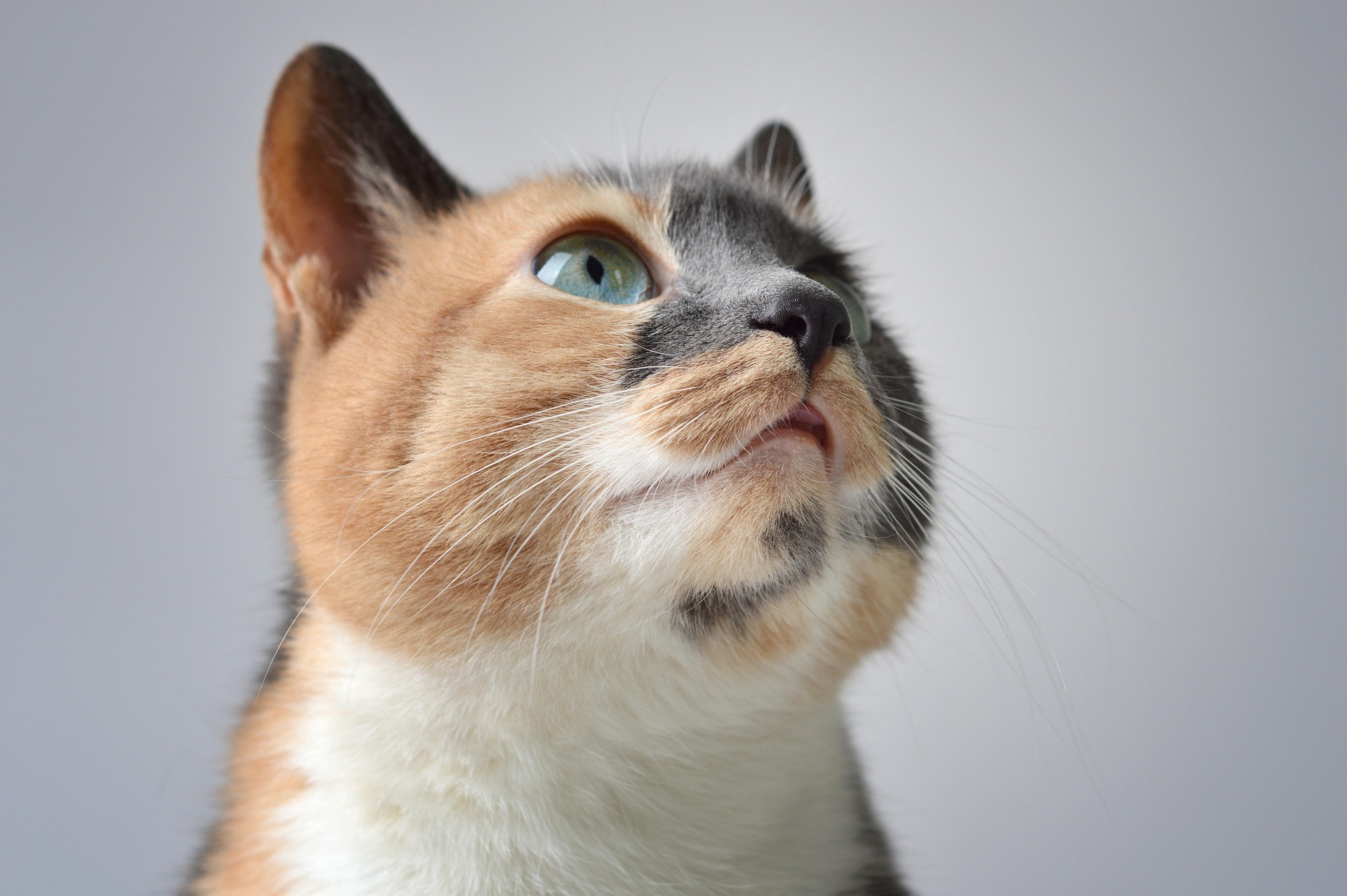
So you decided to have a cat. Congratulations. You're about to enter a relationship where you'll be completely ignored most of the time, woken up at 5 AM because the food bowl is half empty, and still love every second.
Cats are different from dogs. Seems obvious, but many people enter expecting canine behavior and get frustrated. If you want an animal that comes when called, shows affection constantly and lives to please you, maybe a dog is a better option.
Now, if you like the idea of an independent companion, full of personality, that will give you affection when it wants (and then it's the best affection in the world), keep reading.
Cat is not a small dog
Dogs were domesticated to live in packs and serve humans for thousands of years. Cats were "semi-domesticated" because they were useful for hunting rats, but never needed us in the same way. This explains the independence. It's not coldness, it's nature.
What you need to have at home
Before bringing the cat, prepare the environment. You don't need much, but some things are essential:
- Litter box (one per cat, plus one extra is ideal)
- Litter
- Food and water bowls (separate)
- Quality food
- Scratching post (will save your furniture)
- Transport carrier
About the litter box: location matters. Place it in a quiet place, with privacy, away from food. Cats are picky about bathroom. If the box is dirty, poorly located or in a noisy place, they'll find another place. Like your rug.
Scratching post isn't a luxury. Cats need to scratch, it's instinct. They mark territory, stretch muscles, maintain claws. If you don't offer a scratching post, the couch becomes an option. Try different types (vertical, horizontal, sisal, cardboard) to see what your cat prefers.
The first days
New cat at home means stressed cat. Everything is different: smells, sounds, people. Many cats hide in the first days, and this is completely normal.
Don't force interaction. Let it explore at its own pace. Prepare a small room (like a bathroom or bedroom) with everything it needs, and let it get used there first before releasing the whole house. It may seem cruel to confine, but it's actually less stressful for it than having to process a huge house at once.
My first cat spent three days under the bed. I thought I had done something wrong. On the fourth day it came out, climbed on my lap, and never left from there.
Offer food and water, show where the litter box is (place it there a few times so it knows), and let it happen. Speak softly, move slowly. Feline curiosity eventually overcomes fear.
Feeding
Cats are obligate carnivores. This means they need animal protein to survive, unlike dogs which are more omnivorous. Vegetarian or vegan diet doesn't work for cats and can cause serious health problems.
Dry or wet food? Both work. Wet food has more water (good because many cats don't drink enough) and usually more protein. Dry food is more practical and better for the wallet. Many owners combine both.
Quantity: follow package recommendations and adjust according to cat's weight. Obesity in cats is a serious problem. That chubby cat that seems cute is actually at risk of diabetes, joint and liver problems.
Litter box: the art of cleaning poop
It will occupy part of your life from now on. Accept it.
Clean waste at least once a day. Cat is a clean animal and doesn't like dirty box. If the box is too full, it may start doing business in other places as a form of protest.
Complete litter change: depends on type. Clumping litters can be partially renewed as you remove clumps. Full change every 2-4 weeks, washing the box with water and neutral soap (avoid products with strong smell).
If the cat stops using the box suddenly, it may be: box too dirty, change of litter brand it didn't like, health problem (urinary infection makes them associate the box with pain), or stress from some change in environment.
Scratching posts and furniture
Cats scratch. It won't stop. It's not to irritate you, it's physical and behavioral need. Your mission is to offer better options than your couch.
Observe where it tries to scratch. If it's on vertical surfaces, offer a tall post. If it's on the rug, maybe it prefers horizontal scratcher. Some cats like sisal, others cardboard. Experiment.
Place scratching posts near places it already tries to scratch. If it loves the corner of the couch, place a scratcher there next to it. Use catnip to attract it to the scratcher.
Environmental enrichment
Cats need stimulation, especially if they live only indoors. Not having access to the street is safer (avoids accidents, fights, diseases), but means you need to compensate for lack of exploration and hunting.
Shelves and high places to climb. Cats love height, makes them feel safe. Can be wall shelf, cat tree, or simply access to top of cabinets.
Toys that simulate hunting. Wands with feathers, rolling balls, toys with catnip. Reserve 15-20 minutes per day to actively play with your cat. This keeps it physically active and mentally stimulated.
Hiding places. Cardboard boxes, dens, blankets in enclosed places. Cats feel safe in small and hidden spaces.
Veterinarian and vaccines
In the first week, take to veterinarian for check-up. Even if the cat seems healthy, it's important to establish a baseline.
Basic vaccines for cats: triple or quadruple feline (protects against panleukopenia, rhinotracheitis and calicivirus) and rabies. Initial protocol is two or three doses with 21-30 day intervals, then annual booster.
Deworming usually starts early and repeats periodically. Flea prevention too, as per veterinarian guidance.
Neutering is highly recommended. Unneutered cats urinate to mark territory (smells a lot), try to escape to mate, fight more, and contribute to overpopulation. Unspayed females have frequent heats that are stressful for them and for you. The surgery is safe and routine.
Behaviors that seem strange but are normal
Kneading: that movement of pressing paws alternately. Comes from infancy, when they did this to stimulate mother's milk. Means they're comfortable and happy.
Bringing "gifts" (insects, lizards, sometimes dead animals): hunting instinct. They're sharing the prey with you. Thank them and dispose discreetly.
Nighttime craziness: random runs through the house at 3 AM. Cats are crepuscular (more active at dawn and dusk). Play sessions before bed can help expend energy.
Knocking things off tables: it's fun and investigation. If you don't want them to fall, don't leave them within reach. Or accept that your cat is doing physics experiments.
Staring at nothing: probably seeing or hearing something you don't notice. Feline hearing and vision are much more acute than ours.
The relationship will evolve
At first you might feel the cat doesn't care about you. Give it time. Feline trust is earned, not given freely. When you notice it chose to sleep by your side, that it comes to greet you at the door, that it purrs on your lap, you'll understand what makes cats so special.
It's not about having an animal that obeys. It's about having a companion that chose you. And when a cat chooses you, it's one of the best feelings in the world.
Welcome to the cat-crazy team.