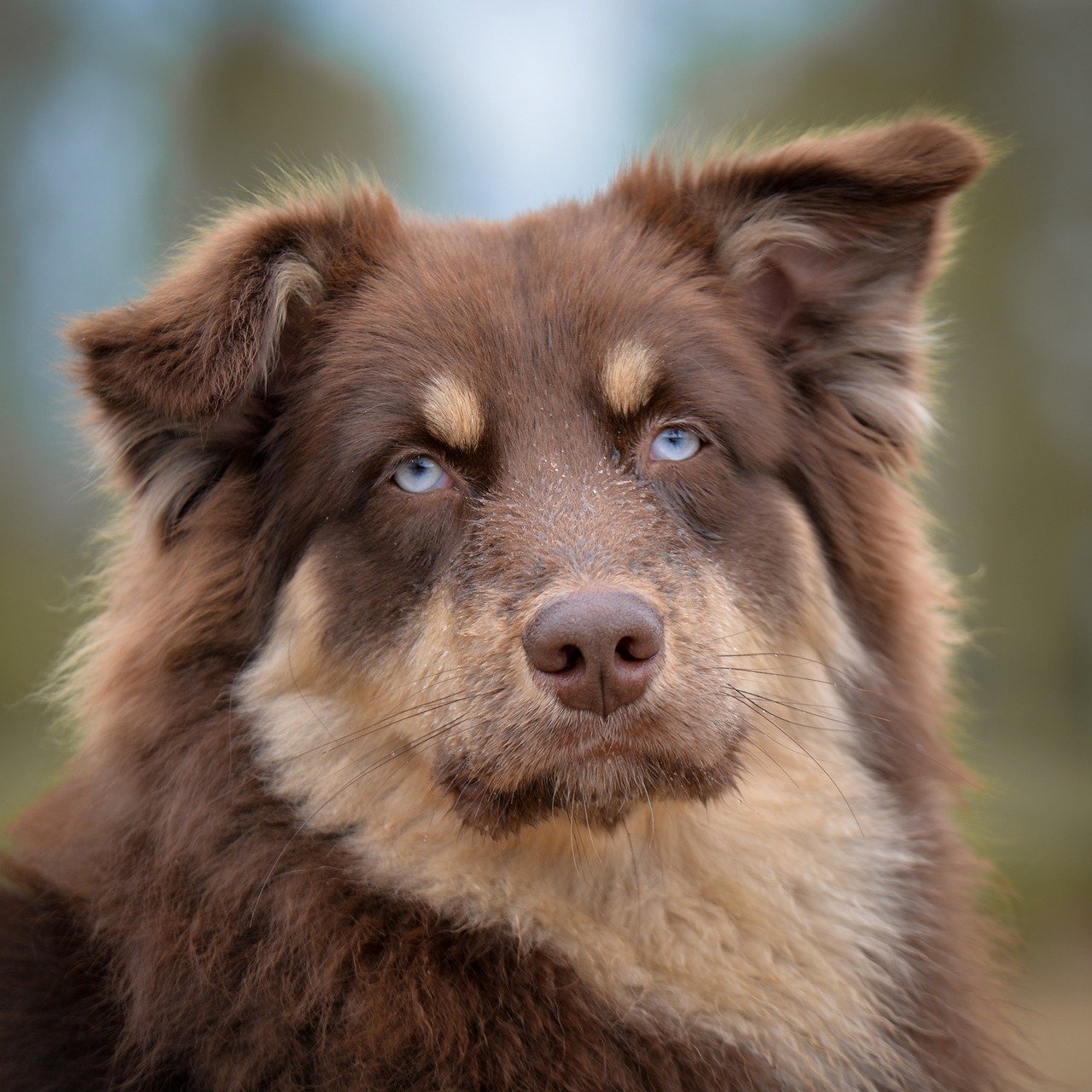
Every dog does something annoying. Some bark too much, others destroy things, others pull the leash as if towing a truck. The question is: when is it normal behavior that needs adjustment and when is it a serious problem?
Most behavior problems have an identifiable cause. Boredom, lack of exercise, anxiety, lack of training, or simply the dog never learned what was expected of it. Solving starts by understanding the cause.
Excessive barking
The solution depends on the cause. If it's alert, teach a "enough" or "quiet" and reward when it stops. If it's boredom, the problem is more about exercise and enrichment than training. If it's anxiety, need to work on the cause of anxiety.
A technique that works for attention barking: ignore completely. Zero looking, zero talking, zero interaction. Turn your back if needed. The moment it stops and stays quiet for a few seconds, then you give attention. It will get worse before better because it will insist more at first, but if you're consistent, it learns that barking doesn't work.
Destruction
Destroyed couch, chewed door, torn shoes. Frustrating and expensive. But why does it do this?
Puppies destroy because they're teething and need to bite. It's not malice, it's physical need. Provide appropriate alternatives.
Adult dogs destroy out of boredom or anxiety. If destruction happens when you're not there, it's very likely separation anxiety. If it happens even with you at home, probably lack of stimulation.
Physical exercise is the first line of defense. Tired dog doesn't have energy to destroy. But mental exercise is also important: food-dispensing toys, sniffing games, command training.
It's no use scolding when you arrive home and find the destruction. The dog doesn't associate the scolding with what it did hours ago. It only knows you arrived and are angry. The "guilty" face it makes? It's fear of your reaction, not awareness of having done wrong.
Separation anxiety
This is a serious problem that many people underestimate. The dog enters real panic when left alone. Symptoms include destruction (especially near doors and windows), continuous barking and howling, doing business inside house even though trained, excessive drooling, trying to escape.
Treatment involves gradual desensitization: teaching that you leaving isn't the end of the world. Starts with very short departures (leave and return in 30 seconds) and gradually increases very slowly. No dramatic goodbyes or effusive arrivals, to avoid creating intense emotional association with your departure/arrival.
In severe cases, medication may be necessary while behavioral work happens. It's not shameful and it's not "doping" the dog. It's allowing it to be calm enough to learn.
Pulling on leash
One of the most common and annoying daily problems. The walk becomes a tug-of-war instead of a pleasant moment.
It's work and at first you'll walk very slowly. But if you're consistent, it learns that loose leash = people walking, tight leash = people stopped.
Equipment like short walk leash and anti-pull harnesses help, but don't solve alone. They're support tools while you train, they don't replace training.
Jumping on people
Dog jumps because it wants attention and because it worked: it jumps, person interacts (even if to push or scold, it's still attention). Puppy jumping is even cute. 30kg dog jumping on your grandmother isn't.
The solution is to ignore the jump and reward "four paws on ground". When it jumps, turn your back and don't say anything. When it gets down and stays still, then you give attention. With consistency, it learns that jumping doesn't generate what it wants, but standing does.
The hard part is getting everyone to follow the rule. It's no use you training if your aunt thinks it's cute and lets it jump when visiting. Tell people: "I'm training it not to jump, please ignore when it does this".
Biting (play and not)
Play biting
Puppies bite. It's part of how they explore the world. But they need to learn that human skin is sensitive and biting hurts.
When it bites hard, say "ouch!" in a high tone and remove your hand. Stop play for a few seconds. This simulates what siblings would do: when one bites too hard, the other yelps and stops playing. It learns to control bite strength.
Redirect to toys. Biting toy is ok, biting hand is not. Always have a toy nearby during play.
Aggressive biting
Resource guarding
The dog growls, shows teeth or tries to bite when someone approaches food, a toy, the place where it's lying. It's protecting something it considers valuable.
It's behavior that makes evolutionary sense, but is dangerous in a domestic environment, especially with children.
The approach is to make people's presence near the resource something good, not a threat. In mild cases: when it's eating, pass nearby and throw an even better treat in its direction. Repeating this many times, it starts associating you approaching with good things happening, not loss of resource.
In moderate to severe cases, don't risk it. Professional.
Fear of noises
Thunder, fireworks, construction. Some dogs tremble, drool, try to hide or flee. It's real suffering and can be dangerous if it tries to escape.
During the episode: stay calm, don't make drama. Let it hide if it wants (under bed, in closed bathroom). Don't force interaction. Don't try to "show it's nothing" by taking it near the noise.
Between episodes: desensitization. There are thunder and firework audios you can play at very low volume, so low it doesn't even react. Gradually increase over weeks/months while making good things happen. It's a slow process.
In severe cases, veterinarian may prescribe medication to use on predictable dates (New Year, for example). There are also compression shirts (Thundershirt) that help some dogs.
The pattern behind problems
If you notice, most problems have some things in common:
Lack of physical and mental exercise. Dog is an animal made to do things. Trapped in apartment without stimulation, it invents what to do, and usually it's not what you want.
Lack of consistency. Rules that sometimes apply and sometimes don't confuse the dog. Everyone in the house needs to be on the same page.
Accidental reinforcement of wrong behavior. You give attention when it does wrong (even if to scold) and ignore when it's being good. It learns that doing wrong generates interaction.
Lack of understanding the dog's perspective. It doesn't do things "to irritate you" or "because it knows it's wrong". It does because, from its point of view, it makes sense or meets a need.
If you cover the basics, adequate exercise, predictable routine, clear and consistent rules, most problems don't even develop. And when they appear, they become easier to solve.