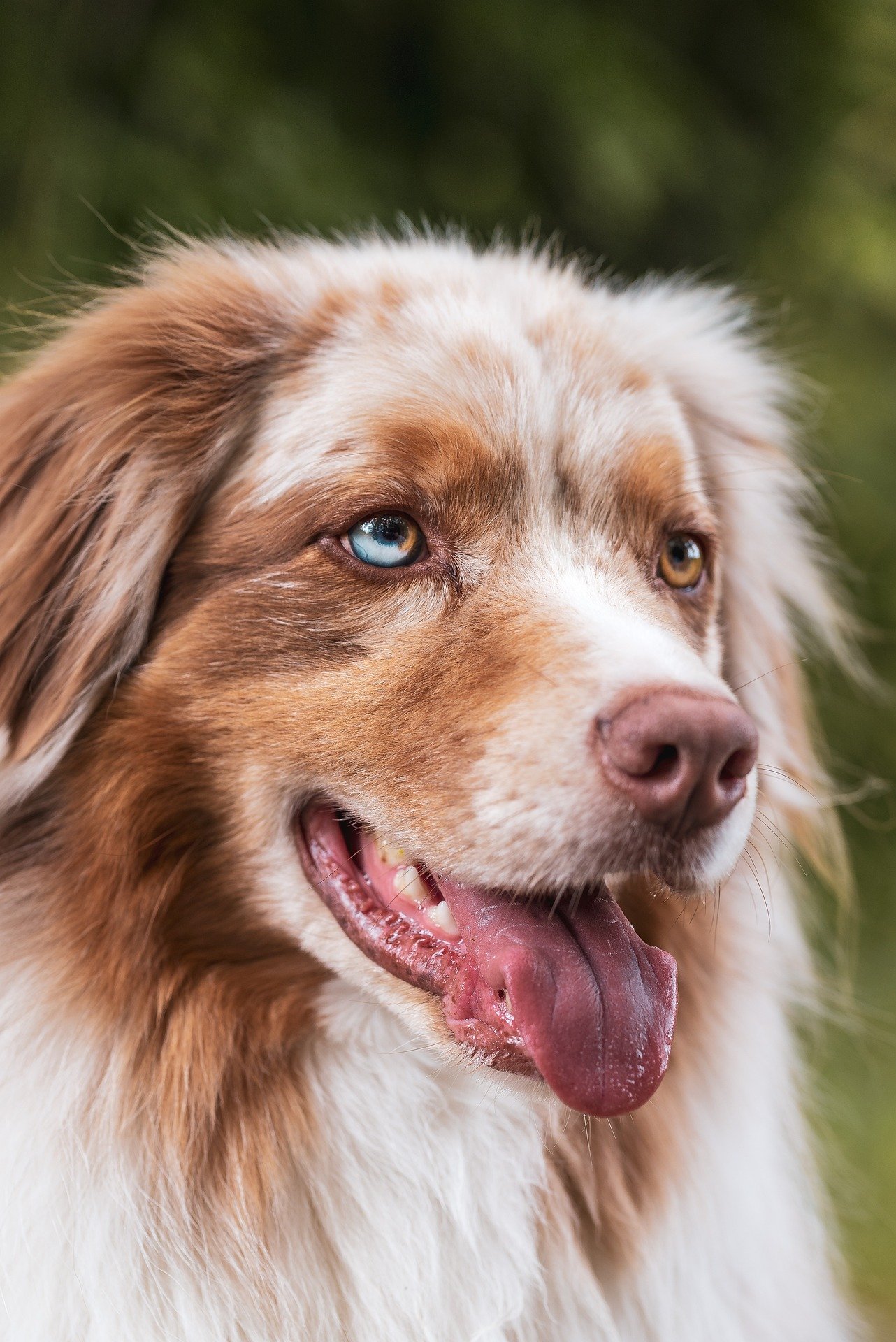
The Border Collie is officially the world's most intelligent dog. In obedience and problem-solving tests, it consistently outperforms all other breeds. Sounds amazing, right? It is. But this extraordinary intelligence comes with extraordinary needs.
I'll be direct: Border Collie is not for most people. If you're reading this because you saw a cute video on the internet and thought "I want one", please read to the end before deciding. This is one of the breeds most returned to shelters because people didn't know what they were getting into.
Demand level
95% - One of the most demanding breeds that exist
Bred to work all day
The Border Collie was developed on the border between England and Scotland to herd sheep. We're not talking about light work. We're talking about running kilometers per day, on difficult terrain, in any weather, making independent decisions about how to move the flock.
This shaped a dog with seemingly infinite energy, problem-solving intelligence, and a compulsive need to have a function. They weren't bred to be pets. They were bred to be farm workers. When you put this dog in an apartment with nothing to do, problems happen.
A breeder once told me: "Border Collie without work is like a workaholic forced to be on vacation forever. Goes crazy."
Intelligence is a double-edged sword
Yes, they learn anything in record time. A Border Collie named Chaser learned over 1,000 words and concepts, demonstrated in scientific research. Amazing.
But this same intelligence means they notice everything. Learn patterns. Understand cause and effect. Know exactly how to get what they want from you. If you don't channel this intelligence into productive things, they'll channel it themselves, and you probably won't like the result.
Bored Border Collies develop obsessive behaviors: chasing shadows, lights, reflections. Fixating on objects or sounds. Spinning in circles. Destroying things methodically. Barking non-stop. Not out of malice, out of need to occupy the mind.
Serious warning
A Border Collie without adequate exercise and mental stimulation isn't just an inconvenient dog. It's a dog that suffers. The anxiety and frustration are real. If you can't offer hours of daily activity, this breed is not for you. Period.
How much exercise are we talking about?
Absolute minimum: 2 hours of intense activity per day. I'm not talking about a leisurely walk, I'm talking about running, frisbee, agility, swimming. Exercise that really tires them out.
And that's the minimum. Many Borders need more. Especially working lines (vs show lines, which tend to be a bit calmer).
In addition to physical exercise, they need equivalent mental exercise. Advanced obedience training, complex tricks, canine sports, sniffing games, anything that makes the brain work.
If you're thinking "but I work 8 hours a day", seriously reconsider. A Border Collie alone for many hours is a recipe for destruction and behavioral problems.
The herding instinct
Even without ever seeing a sheep, the Border Collie has the herding instinct. This manifests in not always desirable ways:
Herding children. Nipping heels, circling, trying to control movement. Can scare or hurt small children.
Herding other pets. Cats, smaller dogs, anything that moves. The animal being "herded" usually doesn't appreciate it.
Reacting to movement. Cars, bicycles, skateboards, runners. The impulse to chase and control is strong. Dangerous near traffic.
That characteristic "stare" they use for sheep can be intimidating to other dogs and people who don't understand.
Temperament
Behind the intensity, Borders are sensitive and devoted to family. Form strong bonds with the primary owner, sometimes to the point of being called "velcro dogs" because they want to always be nearby.
With strangers, they vary from reserved to shy. They're not typically dogs that go wagging their tail at everyone. Some may be nervous or reactive if not well socialized from puppies.
They're sensitive to emotions. Notice tension, stress, mood changes. Very chaotic environments or with frequent conflict affect them.
Training
Training Border Collie is a pleasure if you know what you're doing. They learn so fast that the challenge is more keeping you, human, interesting than teaching the dog.
They need consistent, calm training with positive reinforcement. They're too sensitive for aversive methods, you'll create a fearful or neurotic dog.
The trick is to vary. They get bored of repetition. If you ask "sit" 50 times in a row, they'll start ignoring out of boredom. Keep sessions short, varied, challenging.
Health
Borders are relatively healthy, with good life expectancy. Some conditions to know:
Collie Eye Anomaly (CEA): Congenital condition that can affect vision. Has genetic test.
Hip dysplasia: Less common than in other similar-sized breeds, but exists.
Epilepsy: Occurs in the breed. Controllable with medication in most cases.
Drug sensitivity: Some Borders have the MDR1 mutation that causes sensitivity to certain medications. Genetic test exists.
Osteochondritis dissecans: Joint problem that can affect very active young dogs.
Coat
There are two varieties: long hair (more common, the classic look) and short hair (less known, easier to maintain). Both have undercoat and shed quite a bit, especially during seasonal changes.
Brushing a few times per week is necessary. Bath as needed, not excessively.
Is Border Collie for you?
Probably yes, if you:
Are genuinely active. Run, bike, hike regularly. Don't "plan to start", already do it.
Have time. Hours per day, every day, to dedicate to the dog.
Want to get involved in canine sports or structured activities.
Already have experience with dogs and know how to handle intelligent breeds.
Don't have very small children (the herding instinct can be a problem).
Probably not, if you:
Work away all day and the dog would be alone.
Want a calm and quiet dog for companionship.
Don't have time or interest in intense daily activities.
Are a first-time owner.
Live in a small apartment without easy access to exercise areas.
Alternatives
If you like the look and idea of an intelligent dog, but Border intensity seems too much, consider:
Australian Shepherd: Similar, but usually a step down in intensity.
Shetland Sheepdog: Smaller version, still intelligent and active, but more manageable.
Golden or Labrador: Intelligent, trainable, but much easier to satisfy.
Standard Poodle: Intelligent, athletic, but without the obsessive herding instinct.
If you decide to go ahead
Look for breeders who know the breed deeply. Ask about parents' temperament, energy level, what kind of home the puppies are suited for. Good breeders ask tough questions and refuse to sell to those who don't seem suitable.
Adopting adult Borders is also an option. You already see the formed temperament and can choose one that fits your lifestyle better. Many Borders in rescue are wonderful dogs that just needed owners who understood their needs.
A well-cared-for Border Collie is an incredible companion, capable of things that seem impossible. But "well-cared-for" means a serious commitment of time, energy and dedication. Don't enter into this lightly.