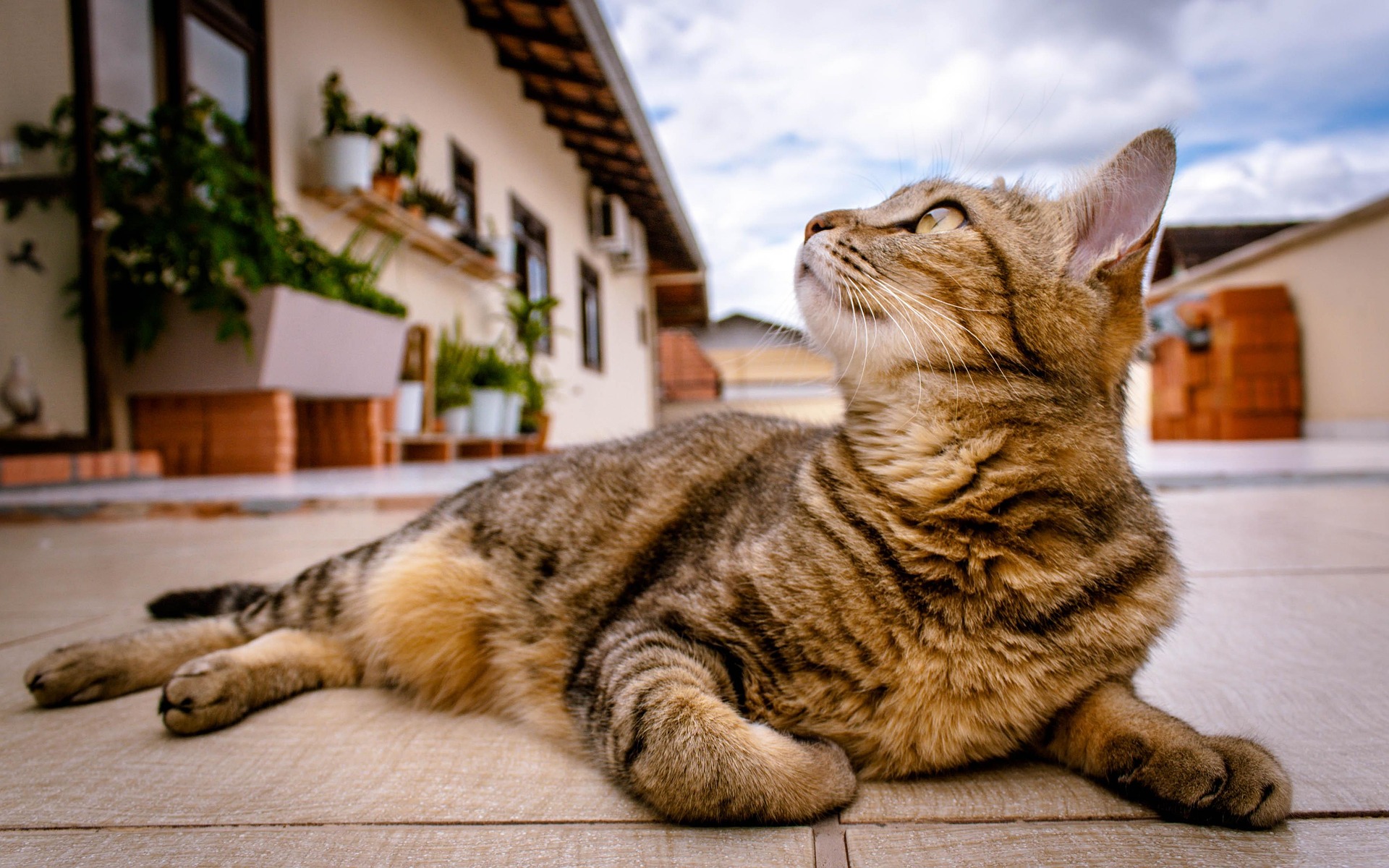
Cats are masters at hiding that they're sick. It's survival instinct: in nature, showing weakness attracts predators. This means that when you notice something is wrong, often the problem is already advanced.
Knowing the most common diseases and their signs helps you identify problems earlier. Not to diagnose at home, but to know when it's time to go to the veterinarian.
Urinary tract diseases
More common in males because of narrower urethra. The cat cannot urinate. Goes to litter box several times, stays in urination position, but nothing comes out or only drops. May vocalize in pain.
It's an emergency. In 24-48 hours without treatment, the cat can die from kidney failure and electrolyte imbalance. If your cat is trying to urinate and can't, go to veterinarian immediately, even in the middle of the night.
FLUTD (feline lower urinary tract disease) is an umbrella term for various conditions that affect bladder and urethra. Cystitis is bladder inflammation, not always caused by infection.
Causes include crystals in urine, stones, infections, stress (yes, stress causes cystitis in cats). Treatment depends on specific cause.
Very common in senior cats. Kidneys gradually lose function. When symptoms appear, there's usually already significant loss.
No cure, but with special diet, hydration and medication, many cats live well for years after diagnosis. Regular blood and urine exams in cats above 7 years help catch it early.
Respiratory diseases
The "cat flu". Usually caused by herpesvirus or calicivirus (vaccines protect against both, but not 100%). Highly contagious between cats.
Most recover with supportive care: keep nose clean, offer smelly food (stuffy cat can't smell and won't eat), hydration. Severe cases or kittens may need hospitalization.
Cats that had herpesvirus may have relapses during stress for the rest of their lives.
Digestive problems
Cats vomit. It's a fact. Hairballs are common, especially in long-haired cats or those that groom a lot.
Occasional vomiting (once a week or less) of hair or right after eating too fast usually isn't concerning. Frequent vomiting, with blood, or accompanied by other symptoms needs investigation.
Regular brushing and using malt paste or food for hairball control helps.
Chronic intestinal inflammation. Can affect nutrient absorption.
Diagnosis usually requires ultrasound and sometimes biopsy. Treatment with special diet and, in some cases, immunosuppressive medication.
Serious viral diseases
Virus that attacks the immune system. Transmitted by close contact between cats: saliva, bites, sharing bowls. Mother can pass to kittens.
No cure. Some cats eliminate the virus on their own, others become carriers. Positive cats have reduced life expectancy and are susceptible to infections and cancer.
There's a vaccine. Test every new cat before introducing to home with other cats.
The "HIV of cats" (doesn't transmit to humans). Transmission mainly through deep bites, common in street cats that fight.
No cure or vaccine in Brazil. Positive cats can live years without symptoms, but eventually develop immunodeficiency. Should be kept indoors and separated from negative cats in fight situations.
Caused by mutation of a common feline coronavirus. Most cats exposed to coronavirus don't develop FIP, but when they do, historically it was fatal.
There are new treatments (antivirals) that are changing this scenario, but they're still expensive and have complicated access in some places.
Endocrine problems
Very common in senior cats. The thyroid produces too much hormone, accelerating metabolism.
Diagnosis by blood test. Treatment with daily medication, special diet, or in some cases surgery or radioactive iodine.
More common in obese cats and neutered males. The body doesn't produce enough insulin or doesn't respond to it.
Treatment usually with injectable insulin and diet. Some cats go into remission with adequate treatment and weight control.
Skin problems
Cats can have allergies to fleas (very common), foods, or things in the environment (pollen, mites).
Identifying and eliminating the cause is ideal. Rigorous flea control, elimination diet for suspected food allergy. Medication to control itching while investigating.
When to go to the veterinarian
- Cannot urinate or makes effort without success
- Difficulty breathing, open-mouth breathing
- Trauma (fall, accident)
- Seizures
- Sudden paralysis of hind legs
- Bleeding that doesn't stop
- Ingestion of toxic substance
- Hasn't eaten for more than 24 hours
- Persistent vomiting or diarrhea
- Unexplained weight loss
- Significant change in behavior
- Drinking or urinating much more than normal
- New lumps or masses
- Difficulty walking or jumping
- Intense itching or skin wounds
Preventive exams
The best way to catch diseases early is to do regular check-ups, even when the cat seems healthy. General recommendation:
Young and adult cats (1-7 years): annual exam.
Cats above 7 years: semiannual exam, ideally with blood and urine tests to monitor kidney and thyroid function.
Cats above 10 years: same frequency, maybe with more complete exams.
Seems excessive until you realize that 6 months in a cat's life equals several human years. A lot can change in that time.