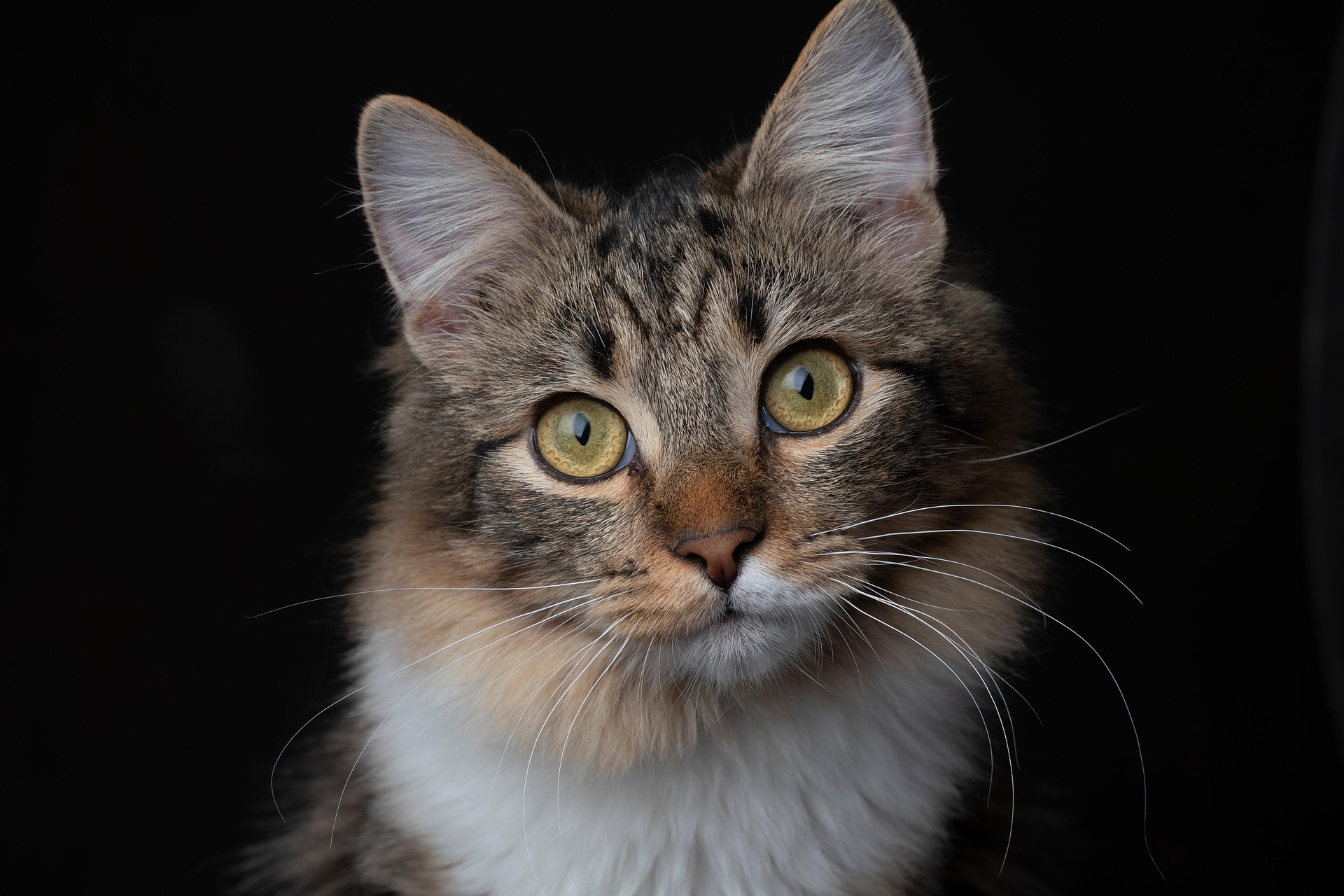
Cat is not a small dog. Seems obvious, but when it comes to feeding, this difference is crucial. Cats have specific nutritional needs that, if not met, cause serious health problems.
Understanding the basics about feline nutrition helps you make better choices and avoid common mistakes that can affect your cat's health long-term.
Exclusive essential nutrients
Taurine: Amino acid that cats don't produce in sufficient quantity. Deficiency causes heart problems, blindness and reproductive problems. All cat food must have added taurine.
Arachidonic acid: Fatty acid that cats don't synthesize. Dogs and humans produce it from other fatty acids, cats don't. Necessary for skin, kidney and reproduction function.
Pre-formed Vitamin A: Cats don't convert beta-carotene (from vegetables) into vitamin A. They need the ready vitamin, which comes from animal sources like liver.
Niacin: Another vitamin that cats don't synthesize efficiently and need to receive in diet.
That's why feeding cat with dog food (even high quality) doesn't work. Essential nutrients are missing. And vegan or vegetarian diets are absolutely inadequate for cats.
Dry vs wet food
The great debate. Both can be adequate, have advantages and disadvantages.
Dry food
- More economical
- Can stay available all day
- Helps dental health (controversial)
- More practical to store
- Low moisture (~10%)
- Usually more carbohydrate
Wet food
- High moisture (~80%)
- More palatable usually
- Higher protein content
- Less carbohydrate
- Better for hydration
- More expensive, can't stay out
The hydration issue is important. Cats evolved in desert environments and naturally don't drink much water. They expect to get liquid from food (prey has about 70% water). Dry food has only 10%. Cats fed exclusively with dry food may live in a state of mild chronic dehydration, which over years can contribute to kidney and urinary problems.
The ideal solution for many veterinarians: combine. Dry food as base, wet food as part of daily diet. Doesn't need to be 50/50, but some wet food helps.
How much food to give?
Depends on several factors: weight, age, activity level, whether neutered or not (neutered need fewer calories).
The food package has a reference table, but they're generic estimates. The best indicator is the cat's body: you should be able to feel ribs without much pressure, see a waist when looking from above, and notice an abdominal "tuck" when looking from the side.
Average neutered apartment cat (the most common profile in Brazil) needs something between 200-300 calories per day. This usually corresponds to 50-70g of good quality dry food, or equivalent in wet/mix.
Active, unneutered, or growing cats need more. Senior or very sedentary cats need less.
Free feeding or portions?
Cats in nature make several small meals a day (hunt small prey). That's why many people leave food free. Works for some cats that self-regulate well. For others, especially chubby cats or with tendency to overeat, it's a recipe for obesity.
If your cat maintains healthy weight with free feeding, that's fine. If it's gaining weight, switch to controlled portions at specific times.
Portion feeding also helps you quickly notice if the cat stopped eating, an important sign of health problems.
Forbidden foods
Never give to your cat:
- Onion and garlic: Toxic, cause anemia
- Chocolate: Theobromine is toxic
- Grapes and raisins: Can cause kidney failure
- Alcohol: Extremely toxic
- Caffeine: Toxic
- Xylitol: Very dangerous artificial sweetener
- Cooked bones: Can splinter and perforate
- Raw bread dough: Ferments in stomach
- Milk (for most): Adult cats are lactose intolerant
About milk: that image of kitten drinking milk is a dangerous myth. Most adult cats don't digest lactose. Giving cow's milk causes diarrhea and discomfort. If you want to give a "special milk", there are lactose-free products specific for cats.
Treats
Treats can be part of the diet, but shouldn't represent more than 10% of daily calories. It's easy to overdo it because they seem small, but many are caloric.
Treats can be useful for: training, attracting cat to transport carrier, giving hidden medication, or simply pleasing from time to time.
Some "natural" treats that cats usually like: small pieces of cooked unseasoned chicken, tuna in water (occasionally, not as main diet), cooked unseasoned meat.
Natural feeding
Has been gaining followers: preparing cat's food at home with fresh ingredients. Can be done with raw meat (BARF diet) or cooked.
Potential advantages: you know exactly what you're offering, can be more palatable, closer to what they would eat in nature.
Risks: if not well formulated, causes serious nutritional deficiencies. Taurine, for example, degrades with cooking, so homemade cooked diets need supplementation. Raw diets have risk of bacterial contamination.
If you want to do natural feeding, seek a veterinary nutritionist to formulate an adequate diet. It's not simply giving pieces of meat.
Picky cats
Cats have a reputation for being picky, and with reason. Some seem to only eat one specific brand and refuse everything else.
This is sometimes created by the owner: offering always the same thing since kitten makes the cat get used to it and reject novelties. Varying feeding from early on (different flavors, different textures) can prevent this problem.
If the cat refuses to eat new food, the transition needs to be gradual: mix small amount of new with old, increasing proportion over 1-2 weeks.
Water: the forgotten nutrient
I already mentioned, but worth reinforcing: cats need water but aren't enthusiastic drinkers. Urinary and kidney problems are very common and often related to low fluid intake.
Strategies to increase hydration:
- Offer wet food regularly
- Water fountain type (running water attracts many cats)
- Several water points around the house
- Shallow and wide bowls (cats don't like wetting whiskers)
- Change water at least once a day
- Water away from litter box and away from food
Life stages
Needs change with age:
Kittens (up to 1 year): Need more calories and nutrients for growth. Kitten-specific food. Several small meals a day.
Adults (1-7 years): Maintenance. Adult food, quantity according to activity and weight.
Seniors (7+ years): Slower metabolism, but sometimes need more easily digestible protein. Senior foods exist. Monitoring weight and kidney function becomes more important.
Special situations: Pregnant/lactating females need much more calories. Cats with specific diseases may need therapeutic diets prescribed by veterinarian.
Choosing good food
Look at the label. The first ingredient should be an animal protein source (chicken, fish, meat). If it's "cereal meal" or "by-products" first, it's not quality food.
The fewer unrecognizable ingredients and artificial preservatives, the better.
Premium and super premium foods cost more, but the cat eats less (higher nutritional density) and utilization is better (less feces). In the end, the price difference isn't as big as it seems.
When you find a food that works well for your cat (it eats well, maintains weight, nice coat, normal feces), you can keep it. No need to keep changing.