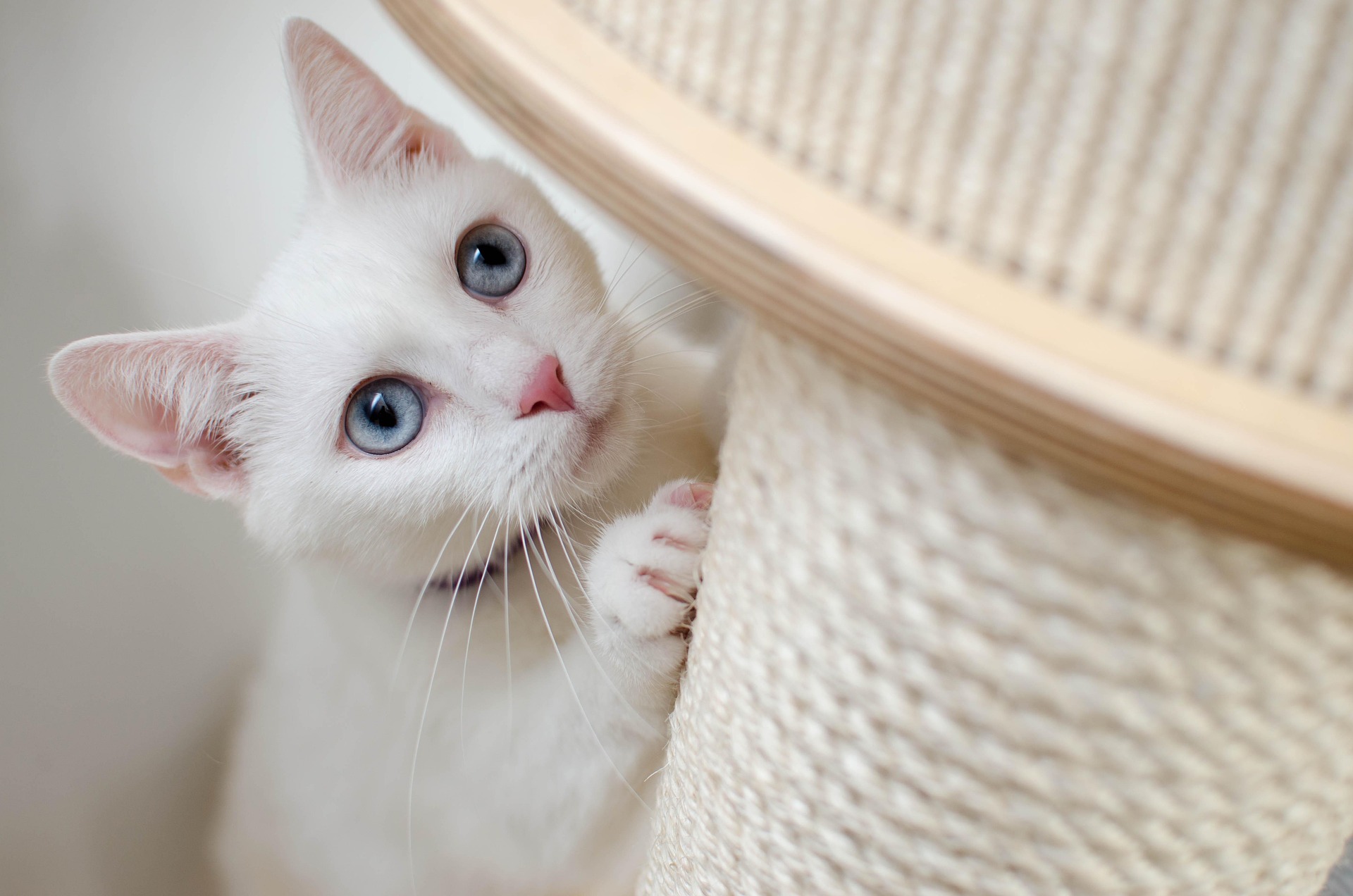
That kitten you brought home years ago now sleeps more, jumps less, maybe has some white hairs appearing on the muzzle. Time has passed, and your companion is entering feline old age.
Cats are living longer than ever, thanks to better care, feeding and veterinary medicine. Many reach 15, 18, some pass 20 years. But this phase requires adaptations to ensure the extra years are good, not just long.
When is a cat considered senior?
7-10 years: Mature. Starting to slow down, but still active.
11-14 years: Senior. More visible changes, more frequent exams.
15+ years: Geriatric. Intensified care, constant monitoring.
These ranges are approximate. Some 12-year-old cats seem like 7, others at 9 already show signs of aging. Each individual is different.
Changes you'll notice
Aging brings gradual changes. Some are normal, others may indicate health problems that need attention.
Reduced activity is normal, but "normal" doesn't mean you can't do anything. Senior cats still need stimulation, just adapted.
Mobility
Arthritis is very common in senior cats, more than people realize. Cats are good at hiding pain. Subtle signs include: hesitating before jumping, no longer climbing places it used to frequent, difficulty entering litter box if it has high sides, stiffness when getting up after sleeping.
If you notice these signs, talk to the veterinarian. There are treatments for joint pain that can greatly improve quality of life.
Vision and hearing
May decrease with age. Cats adapt well to gradual loss because they compensate with other senses. You may not even notice it's hearing or seeing less.
Tip: if you suspect hearing loss, avoid startling the cat by approaching silently from behind. Make your presence known in a way it can perceive (vibration on floor, movement in field of vision).
Behavior
Some cats become needier, want more lap time, more attention. Others become more irritable, less tolerant. Cognitive changes can also occur: disorientation, nighttime vocalization, changes in sleep cycle, "forgetting" where the litter box is.
My 16-year-old cat started meowing loudly in the middle of the night, looking at nothing. At first I thought she was seeing ghosts. It was cognitive dysfunction. Medication and predictable routine helped a lot.
Adapting the environment
Small changes at home make a big difference for a senior cat:
Make life easier for it
- Litter box with low sides, easier to enter
- More litter boxes if the house is large (it doesn't want to walk far)
- Ramps or small steps to access favorite places (bed, couch)
- Food and water bowls at comfortable height (not too low)
- Soft beds in warm places, away from drafts
- Accessible scratching posts, horizontal if it can no longer use vertical ones
- Avoid sudden changes in environment (they depend on familiarity)
Senior cats feel colder. If your house is cold, consider thermal beds or simply extra blankets in its favorite places.
Feeding in old age
Nutritional needs change. Senior cats may need more easily digestible protein, fewer calories (slower metabolism), and special attention to hydration.
Foods formulated for seniors exist and are a good option. Usually have high-quality protein, less phosphorus (to spare kidneys), and sometimes joint supplements.
Some senior cats lose weight because they have difficulty absorbing nutrients or dental problems that make chewing difficult. Others gain weight because they move less but eat the same. Monitor weight regularly.
If the cat has difficulty chewing dry food, try softening with warm water or switching to wet food. Bad teeth are common in old cats and can cause pain that makes it stop eating.
Health: what to monitor
Senior cats should go to the veterinarian at least every 6 months, not just annually. Regular blood and urine tests help detect common age problems before they become serious.
Chronic kidney disease
Very common. Kidneys gradually lose function. Signs include drinking and urinating more, weight loss, poor coat, occasional vomiting. No cure, but with special diet and adequate management, many cats live years after diagnosis.
Hyperthyroidism
Thyroid produces too much hormone. Common in older cats. Signs: weight loss despite eating a lot, hyperactivity, vocalization, vomiting. Treatable with medication, diet or other options.
Diabetes
More common in obese and senior cats. Much thirst, much urination, weight loss. Treatable with insulin and diet, some go into remission.
Heart problems
Can be silent until advanced stages. Periodic cardiac exam in senior cats is recommended.
Cancer
Risk increases with age. Any new lump, unexplained weight loss, or significant change deserves investigation.
- Gradual or sudden weight loss
- Significant change in appetite (more or less)
- Drinking much more water than normal
- Frequent vomiting
- Difficulty breathing or rapid breathing
- Disorientation, nighttime vocalization
- Stopping use of litter box
- Any drastic behavior change
Feline cognitive dysfunction
Similar to dementia in humans. Affects a significant percentage of very senior cats. Signs include: disorientation (seeming lost at home), changes in sleep cycle, excessive vocalization especially at night, changes in social interaction, doing business outside the box, walking in circles or staring at nothing.
No cure, but management helps: maintain predictable routine, environment without changes, adapted mental enrichment, supplements and medication in some cases. The veterinarian can guide.
Quality of life
The difficult question that eventually every senior cat owner faces: is it still well? Is it having more good days than bad?
Quality of life indicators include: still shows interest in things it liked (food, affection, window), can do business without much difficulty, pain is controlled, still interacts with family in some way, can move minimally to access food, water and litter box.
When these indicators start falling consistently, when pain is no longer controllable, when it no longer shows any interest or pleasure, these are difficult conversations to have with the veterinarian.
Euthanasia is an act of compassion when suffering can no longer be relieved. It's not giving up, it's recognizing that sometimes letting go is the last thing we can do for them.
Enjoying the time
Old cats have a special sweetness. The crazy energy of kitten has given way to a calm presence, a companion that knows your habits, that knows exactly where it wants to be, that purrs on your lap with the confidence of one who has shared years of your life.
Don't focus only on limitations and health problems. Focus on what still gives it pleasure: the favorite sunny spot, chin scratches, the special treat, your company.
Take photos. Make videos. Appreciate the moments. This phase can last years or be shorter, but each day is a gift from a being that chose to spend life by your side.
Someone once told me that the pain of losing a pet is the price we pay for all the love we received. And that it's worth every penny.