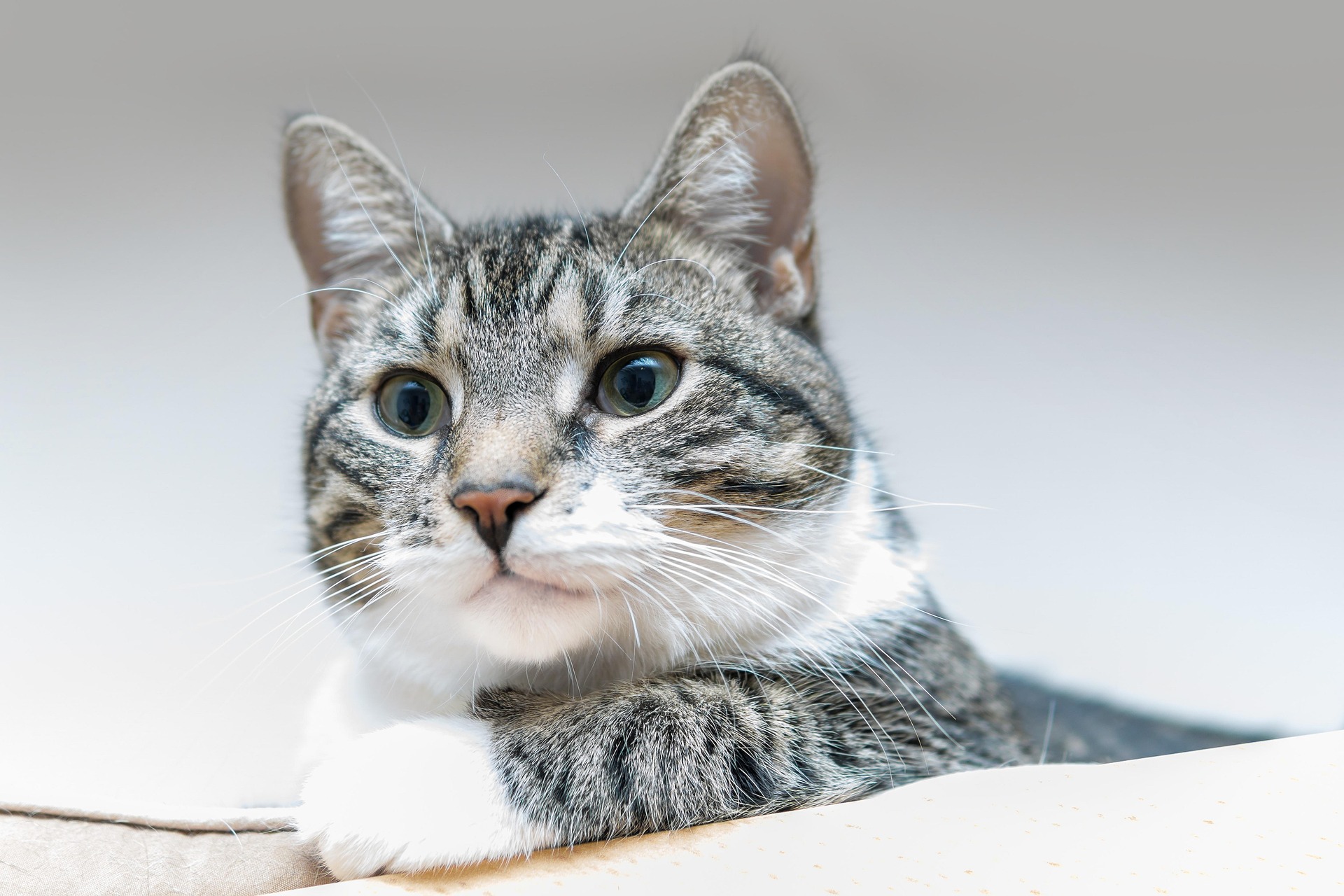
Apartment cats live longer, are protected from accidents and fights, don't catch street diseases. But lose access to everything they would naturally do: hunt, explore, climb, observe the movement of the world. If you don't compensate for this, you end up with a bored, anxious cat, sometimes obese, sometimes with behavioral problems.
Environmental enrichment is exactly that: creating an environment that meets the cat's natural needs indoors. You don't need to spend fortunes or turn your living room into a playground. You need to understand what cats want and offer it creatively.
What cats need
Before going out buying things, understand the basic needs:
Height: Cats feel safe in high places. Observe the environment from above, escape threats by going up. Apartment without vertical access is stressful.
Hiding places: Small, enclosed places where they can feel protected. Essential for rest and stressful moments.
Hunting opportunities: Even eating food, the instinct to chase, capture and "kill" needs to be satisfied somehow.
Territory: Cats need space they feel as "theirs". Scratching posts serve to mark, as well as rubbing on objects.
Visual stimulation: Observing movement, whether birds at the window, cars on the street, leaves in the wind. Cats can spend hours on this.
Verticalization: 3D space
Your house floor has X square meters. But if you add shelves, niches and walkways on walls, you multiply the available space for the cat. It's the difference between a one-bedroom apartment and a duplex.
Verticalization options
Wall shelves: Can be cat-specific or regular shelves well secured. Create "paths" it can traverse.
Niches: Work as hiding place AND high point. Best of both worlds.
Cat tree: The classic. Combines height, scratching post and sometimes den. Choose a stable one, cats don't like things that wobble.
Access to top of cabinets: If you don't mind, place a small ladder or shelves for it to reach. Many cats love it.
You don't need to cover all walls. Start with a corner, see how it uses it, expand as needed. Observe where it tries to climb or where it likes to stay, and facilitate access to those points.
Windows: cat TV
A window with an interesting view can entertain a cat for hours. The movement of people, cars, birds, leaves is stimulating for them.
Safety nets are mandatory if you live on a high floor. Cats can fall while chasing insects or birds, "flying cat syndrome" is real and frequently fatal.
Scratching posts
We've talked about this in other articles, but worth reinforcing: scratching post isn't optional, it's a need. Cats need to scratch to maintain claws, mark territory and stretch muscles.
Have at least one scratching post in each main room. Observe your cat's preference: vertical or horizontal? Sisal, cardboard or carpet? Offer what it prefers.
DIY: Cardboard scratcher
Cut cardboard strips (old boxes work) of the same width. Glue side by side with white glue until forming a block. Can be square, round, any shape. It's cheap, easy to make, and many cats love it. When destroyed, make another.
Play and hunting simulation
This is the type of enrichment that requires your active participation. Toys alone lose appeal quickly. Interactive play with you is another thing.
Reserve 15-20 minutes per day (can divide) to actively play with your cat. Wands with feathers, string with toy at the end, balls you throw for it to chase.
Simulate prey behavior: erratic movement, pauses, hiding behind furniture, variable speed. Let it "capture" regularly to avoid frustration. End the session with a successful capture followed by a treat, completing the hunt-capture-eat cycle.
Toys and rotation
Cats get bored of toys that stay available all the time. The solution is rotation: keep some toys stored and swap every few days. The "new" toy (which is just one it hasn't seen in a week) gains renewed interest.
Toys that work alone (when you can't play):
- Balls with bell or that flash
- Plush mice with catnip
- Toys that swing on spring or elastic attached to door
- Fabric tunnels (they love running through)
- Cardboard boxes (yes, the best toy is free)
Feeding as enrichment
In nature, cats spend a good part of time hunting. At home, food appears magically in a bowl. You can make feeding more interesting:
Ideas for enriched feeding
Interactive feeders: Require the cat to manipulate to release food. Mentally stimulates and slows down those who eat too fast.
Scatter food: Instead of putting everything in the bowl, hide small portions around the house. It will "hunt" its own food.
Toilet paper roll: Crush the ends with food inside. It needs to figure out how to get it out.
Egg carton: Place food in compartments, partially cover with paper balls. It needs to discover where the food is.
Start easy and gradually increase difficulty. If too hard right away, it gives up and goes without eating (not good).
Hiding places
Cats need places to feel safe. Especially in homes with movement, visitors, or other animals.
Simple options: cardboard boxes with cut entrance, niches in furniture, blanket thrown over chairs creating a "tent", fabric dens, under beds if accessible.
Having multiple hiding places at different heights and locations gives options. When the cat needs to retreat, it has somewhere to go.
Catnip and other herbs
Catnip causes euphoria in about 60-70% of cats. If yours responds, it's an easy enrichment tool. Toys with catnip, dry catnip scattered on scratcher, fresh catnip if you grow it.
Alternatives for cats that don't respond to catnip: silvervine (stronger, affects more cats), valerian, tatarian honeysuckle. Test to see what works with yours.
Social stimulation
Some cats benefit from feline company. Play together, groom each other, sleep together. Others prefer to be the only cat and get stressed with another cat at home.
If you spend a lot of time away and have a social cat, a second cat can be enrichment. But if your cat is territorial or you already have behavioral problems, adding another will probably make things worse.
Making a plan
You don't need to implement everything at once. Start with the basics:
- Ensure at least one high point (can be access to top of furniture)
- Place scratching post where it spends most time
- Reserve daily time for interactive play
- Make the most interesting window accessible
Observe how it uses what you offered. Add more as needed. Each cat is different, some need much stimulation, others are content with less.
The goal is a cat that doesn't show signs of boredom (destruction, excessive licking, constant meowing, apathy) and seems interested and engaged with the environment.