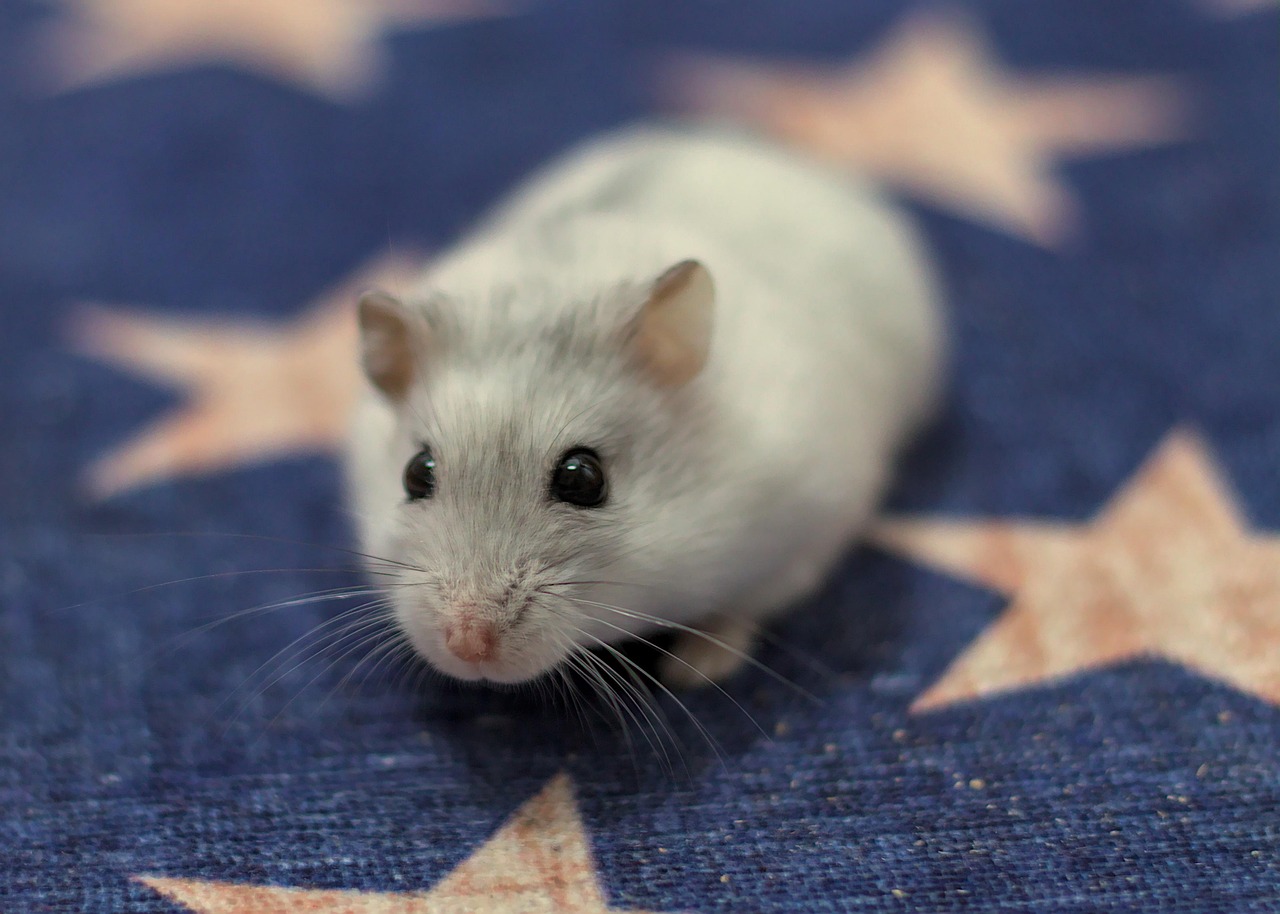
Not everyone has space or lifestyle for dogs and cats. Small mammals like hamsters, rabbits and guinea pigs are lovely alternatives that need less space, but not less care.
Each species has specific needs. This guide gives an overview of the most popular options for you to decide which fits better in your life.
Hamsters
General characteristics
Life expectancy: 2-3 years
Size: 5-15cm depending on species
Habits: Nocturnal (active at night)
Socialization: Most are solitary (one per cage)
Hamsters are small, relatively easy to care for, and don't need much space. They're a popular choice for children, but attention: being nocturnal, they're active when children should be sleeping, and sleep during the day when children want to play.
Cage: Larger than you imagine. Those tiny pet shop cages are inadequate. Minimum 60x40cm base, but larger is always better. Running wheel is essential (solid, not wire, to not trap feet).
Feeding: Specific hamster food, supplemented with fresh vegetables (in small amounts) and occasional protein (cooked egg, insects). Sunflower seeds are loved but fatty, use as treats.
Common species: Syrian (larger, more docile, obligatorily solitary), Russian Dwarf (smaller, can live in same-sex pairs sometimes), Roborovski (tiny, very fast, more for observing than handling).
Guinea Pigs
General characteristics
Life expectancy: 5-8 years
Size: 20-30cm
Habits: Diurnal (active during day)
Socialization: Highly social, need companionship
Guinea pigs are docile, vocal (make adorable sounds), and rarely bite. Great for families with children for being diurnal and calm. But need more space and live longer than hamsters.
Cage: Large. Minimum 70x40cm for two, but more space is better. Solid bottom (not wire). Need time outside cage daily for exercise.
Feeding: Hay freely available (essential for tooth wear and digestion), fresh vegetables daily, specific food. Vitamin C is crucial (don't produce naturally, need dietary supplementation).
Peculiarity: Teeth grow continuously. Need to gnaw (hay, appropriate wood) to wear down. Dental problems are common if diet doesn't have enough fiber.
Rabbits
General characteristics
Life expectancy: 8-12 years
Size: Varied (dwarfs to giants)
Habits: Crepuscular (more active in morning and late afternoon)
Socialization: Social, benefit from companionship
Rabbits are more similar to dogs and cats in terms of personality and interaction than other small mammals. Can be trained to use litter box, learn commands, and form strong bonds with owners.
But they're a long-term commitment (can live over 10 years) and need much more space and attention than many people imagine.
Space: Traditional cage is inadequate for adult rabbits. They need large area to move or free access to a room (rabbit-proofed). Large pen or adapted room are better options.
Feeding: Hay (80% of diet), fresh vegetables (green leaves mainly), specific food in limited quantity. Fruits only as occasional treats.
Health: Need vaccination in some countries (not in Brazil currently). Neutering is recommended (reduces problem behaviors and cancer risk in females). Finding veterinarian specialized in exotics can be a challenge.
Rats
General characteristics
Life expectancy: 2-3 years
Size: 20-25cm (body + tail)
Habits: Nocturnal, but adapt to owner's routine
Socialization: Highly social, need companionship
Rats have an unfair bad reputation. They're actually extremely intelligent, affectionate, and form strong bonds with humans. Can learn tricks, recognize their names, and seek interaction. Many consider them the best small mammals in terms of personality.
The downside: short life (2-3 years is the norm) and predisposition to tumors.
Cage: Tall with multiple levels (like to climb). No aquarium (poor ventilation). Minimum two together of same sex.
Feeding: Specific rat food, supplemented with vegetables, fruits, and protein. They're opportunistic omnivores.
Chinchillas
General characteristics
Life expectancy: 15-20 years
Size: 25-35cm
Habits: Crepuscular/nocturnal
Socialization: Social, prefer companionship
Chinchillas are adorable with their ultra-dense and soft fur. But they're more demanding pets. Need controlled temperature (don't tolerate heat above 25°C), special dust bath (not water), and large cage for jumping.
The advantage: live very long for rodents. The commitment is real.
Environment: Cool temperature is essential. In hot climates, air conditioning may be necessary. No water bath (destroys fur), only special dust bath.
General for all
Veterinarian: Find a veterinarian who treats exotics/small mammals BEFORE you need one. Not every vet has experience with these species.
Substrate: Avoid pine and cedar shavings (toxic). Prefer recycled paper, hemp, or specific substrates.
Enrichment: All need mental stimulation. Toys, hiding places, foraging opportunities.
Handling: All need time to get used to it. Don't grab by surprise, let the animal come to you. Hold firmly but don't squeeze.
Children: Always supervise. Teach gentle handling. Small children may hurt small animals without realizing.