You want a pet. Great. But which one? The wrong choice results in frustration for you and suffering for the animal. Choosing right means years of mutually rewarding companionship.
Before falling in love with a breed's appearance or a cute video on the internet, honestly answer some questions.
Fundamental questions
How much time do you have?
Dogs need significant daily attention: walks, play, training. Cats are more independent but still need interaction. Fish and reptiles require less direct time but regular maintenance. Be honest about your routine.
How much space do you have?
A German Shepherd in a 30m² apartment without a yard will be unhappy (and you too). Even cats need vertical space to climb. Fish need adequate aquariums. Physical space is a real limitation.
How much money can you spend?
The initial cost (purchase/adoption, equipment) is just the beginning. Food, veterinarian (including emergencies), accessories, treats. Large dogs cost more than small dogs. Health problems happen. Can you handle it financially for the animal's entire life?
Does your housing allow it?
Condominiums have rules. Rentals often prohibit pets or charge extra. Check BEFORE, not after. Having to return the animal because the building doesn't accept it is devastating for everyone.
Who else lives with you?
Allergic people? Small children? Elderly? Other pets? Family dynamics matter. A cat can be a problem with allergies. An energetic dog can hurt small children or knock down elderly. Two males of some species don't coexist.
How much do you travel?
Who takes care when you travel? Pet sitters cost money. Some pets travel well, others suffer. If you travel a lot for work or leisure, this affects which animal is suitable.
Comparing options
Dogs
Pros: Active companionship, loyalty, constant interaction, make you go out and exercise, security.
Cons: Require a lot of time and attention, need walks even in rain, may bark and bother neighbors, higher cost, make travel difficult.
Ideal for: Active people, families, those who work from home or have flexible schedules.
Cats
Pros: More independent, don't need walks, clean themselves, can be alone longer, live well in apartments.
Cons: Scratch furniture if no scratcher, fur everywhere, litter box needs cleaning, some are distant.
Ideal for: People who work outside, apartments, those who want companionship but with independence.
Birds
Pros: Colorful, can sing or talk, occupy little floor space, some are very interactive.
Cons: Noise may bother, mess around cage, some species live decades (long commitment), sensitive to air quality.
Ideal for: Small apartments, those who like different interaction, those who can offer socialization time.
Fish
Pros: Silent, beautiful to observe, relaxing, don't cause allergies, can be alone for a few days.
Cons: Limited interaction, aquarium maintenance requires knowledge, mistakes kill, not "affectionate".
Ideal for: Small spaces, those who want living presence without direct attention demand, pet beginners (with study).
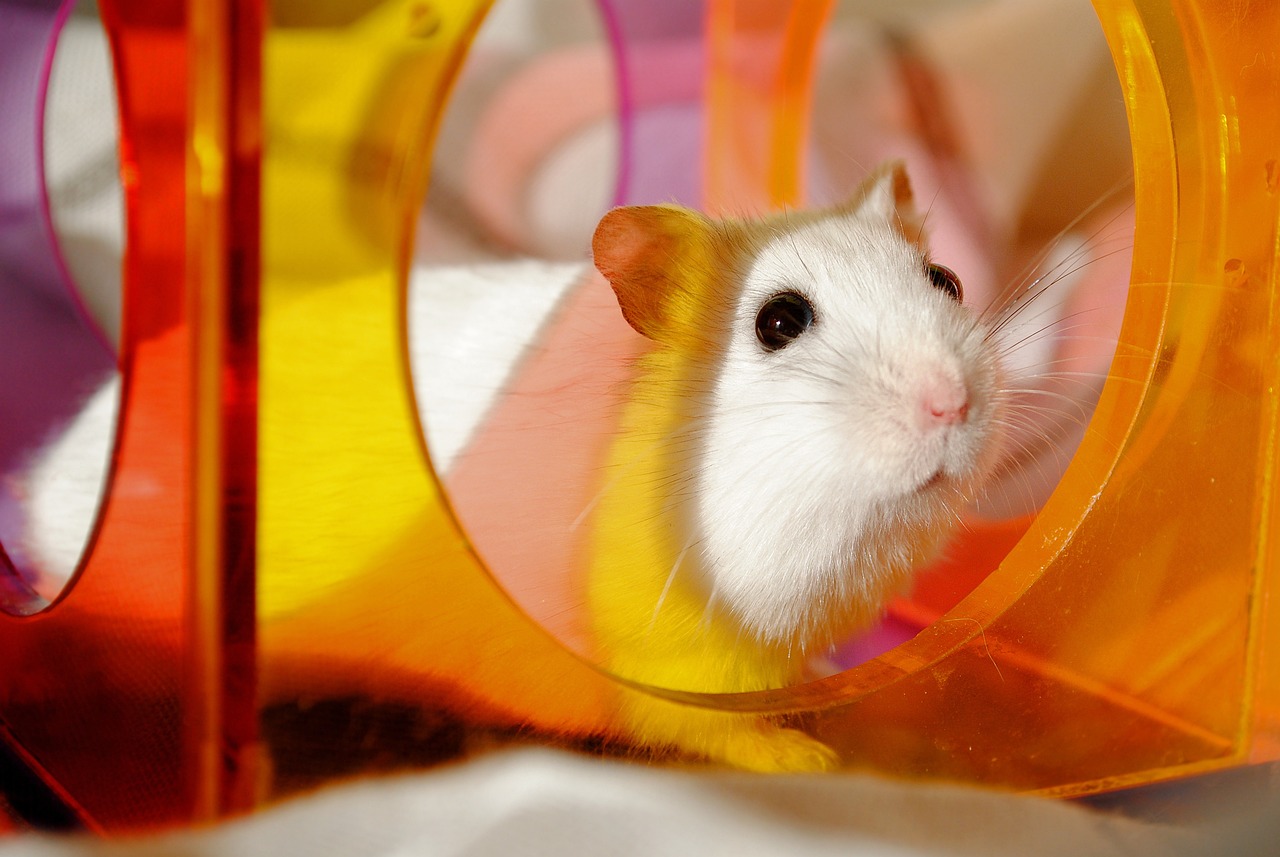
Small mammals (hamsters, rabbits, etc.)
Pros: Occupy little space, lower cost than dogs/cats, some are nocturnal (for those who work during day), interesting to observe.
Cons: Short life (many), limited interaction compared to dogs/cats, finding veterinarian may be difficult, smell if not cleaned frequently.
Ideal for: Small spaces, limited budget, older children (with supervision), those who want first contact with pets.
Buy or adopt?
Millions of animals wait for adoption in shelters. They are healthy, loving animals that deserve a chance. Adopting saves a life and opens space for another animal to be rescued.
If you want a specific breed for valid reasons (temperament, size, coat type), look for responsible breeders who do health tests and socialize puppies.
Don't buy from pet shops or "backyard breeders". These places often come from puppy mills with cruel conditions and hereditary health problems.
Puppy or adult?
Puppies: Cute, moldable, you follow development. But require more work (training, socialization), more frequent care, and adult personality is uncertain.
Adults: Personality already formed (you see what you're getting), often already trained, less destructive. May have emotional baggage from previous life, but can also be grateful and loving for getting a new chance.
Research first
Never acquire a pet on impulse. That cute puppy in the window or the animal you saw in a viral video is not a decision to make in the moment.
Research the species/breed. Talk to those who already have one. Visit shelters and breeders. Understand specific needs. Think about how it will be in 5, 10, 15 years.
A pet is a family member for years, sometimes decades. Deserves a thoughtful decision.
The right decision
When you choose the right pet for your circumstances, everyone wins. You have companionship suited to your lifestyle. The animal has a home that meets its needs. The relationship flourishes.
There's no universally perfect pet. There's the right pet for you. Finding it requires honesty with yourself about what you can offer.