Children and pets can be a magical combination. Friendships that last throughout childhood, lessons of responsibility and empathy, unconditional companionship. But it can also go wrong: bites, scratches, allergies, trauma for the animal or the child.
The difference lies in supervision, education, and realistic expectations. Not every child is ready for any pet, and not every pet is suitable for families with children.
Real benefits
Emotional development
Children who grow up with pets develop empathy, learn to recognize emotions in other beings, and practice caring for someone who depends on them.
Responsibility
Age-appropriate tasks (filling water bowl, helping with brushing, feeding under supervision) teach routine and consequences. The pet needs to be cared for, it's not optional.
Companionship and comfort
Pets offer comforting presence, especially for shy children or in difficult moments. Talking to the animal, hugging when sad, having someone who's always there.
Physical health
Dogs make the family move more. Studies suggest children exposed to pets from early age may have fewer allergies (early exposure to allergens may strengthen immunity).
Real risks
Bites and scratches: Most dog bites in children come from the family's own dog or known dogs. Children don't read animal body language and invade space, irritate, scare.
Diseases: Zoonoses exist. Dirty hands after playing with pet, without washing, go to mouth. Parasites, bacteria, fungi can be transmitted.
Trauma to animal: Small children don't control strength. May hurt small animals, pull tails, squeeze too much. Animal suffers or reacts defending itself.
Coexistence rules
For child
- Don't bother animal when eating or sleeping
- Don't pull fur, tail, ears
- Don't scream or make sudden movements near animal
- Don't hug tightly (many dogs and cats hate it)
- Don't pick up small animals without supervision
- Ask permission before interacting with other people's pets
- Wash hands after playing with pet
For adult
- Supervise ALL interactions with small children
- Teach child to respect animal (repeatedly, not just one conversation)
- Ensure pet has space to move away when wanted
- Don't force interaction (neither child nor animal)
- Recognize stress signs in pet and intervene
- Be model of gentle treatment
Child's age matters
0-2 years: Babies and pets require maximum vigilance. Baby doesn't understand limits, pet may get confused or jealous. Keep interactions short and controlled. Never leave alone.
3-5 years: Begin to understand rules but don't have consistent self-control. Teach gentleness, but continue close supervision. Simple tasks under supervision.
6-9 years: Can begin to take real responsibilities (with supervision). Understand consequences, can follow rules. Still need supervision with larger or unknown animals.
10+ years: Can be primary responsible for some care tasks. Understand animal body language better. Less constant supervision but still present.
Recommended pets for families
Dogs: Breeds known for patience with children (Golden Retriever, Labrador, Beagle, etc.) are good options. But individual temperament matters more than breed. Adult dogs with known history may be safer than unpredictable puppies.
Cats: Calm and sociable cats work well. Very shy or reactive cats may not tolerate noisy children. Cats usually move away when bothered, which is an advantage.
Fish: Great for small children as there's no bite risk and are interesting to observe. Teach feeding routine. Child can help but adult maintains aquarium.
Guinea pigs: Docile, rarely bite, diurnal (available when child is awake). Good first interaction pet for older children (6+).
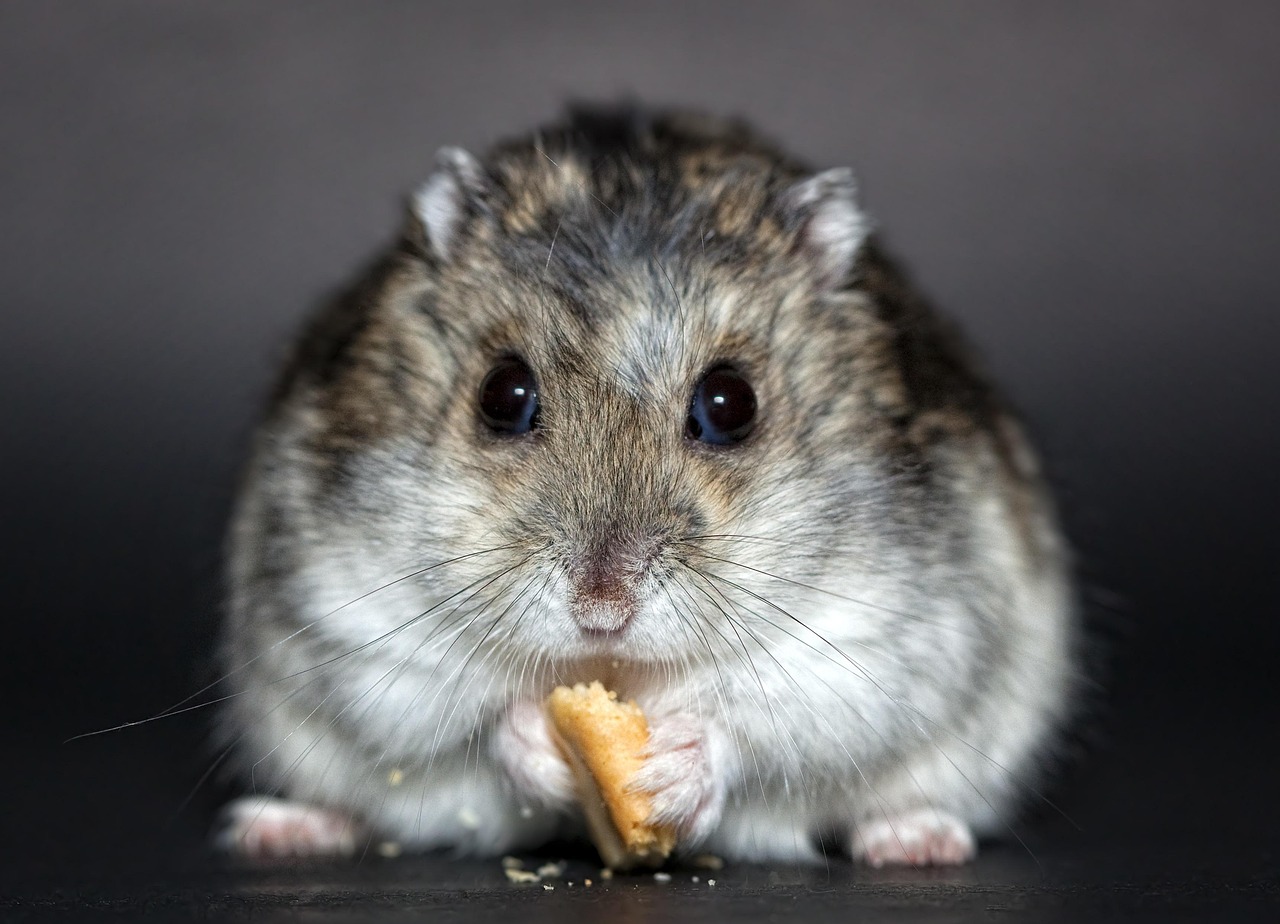
Hamsters: Popular but are nocturnal (sleep when child wants to play), small and fragile, and may bite. Better for older children who understand.
When you already have pet and baby comes
Introduce changes gradually BEFORE baby arrives: new walk routine, restricted areas, baby sounds and smells (recordings, lotions).
When baby arrives: let pet smell a cloth with baby's smell before seeing. First calm and controlled meetings. Maintain attention to pet so it doesn't feel replaced.
Never punish pet for curiosity about baby. Negative association (baby = scolding) is dangerous. Reward calm behavior near baby.
Most pets adapt well to new babies if transition is done carefully. Jealousy is real but manageable. Rejection or aggression are rare if pet was well socialized.
When pet goes away
Pets die. It's one of the first loss experiences many children have. Don't minimize ("it was just a dog") or lie ("he went to a farm").
Be honest in age-appropriate way. Let child feel grief. It's sad, but it's part of life, and learning to deal with loss healthily is valuable.
When (and if) to bring new pet is a decision that should wait for grief to process. New pet doesn't "replace" the previous one.
The investment is worth it
Creating safe coexistence between pets and children takes work. Constant supervision, repetitive education, expectation management. But the benefits of a healthy relationship between child and animal are immense and lasting.
Adults who grew up with pets often have more empathy, more responsibility, and precious memories. With care and attention, you can give this to your children.