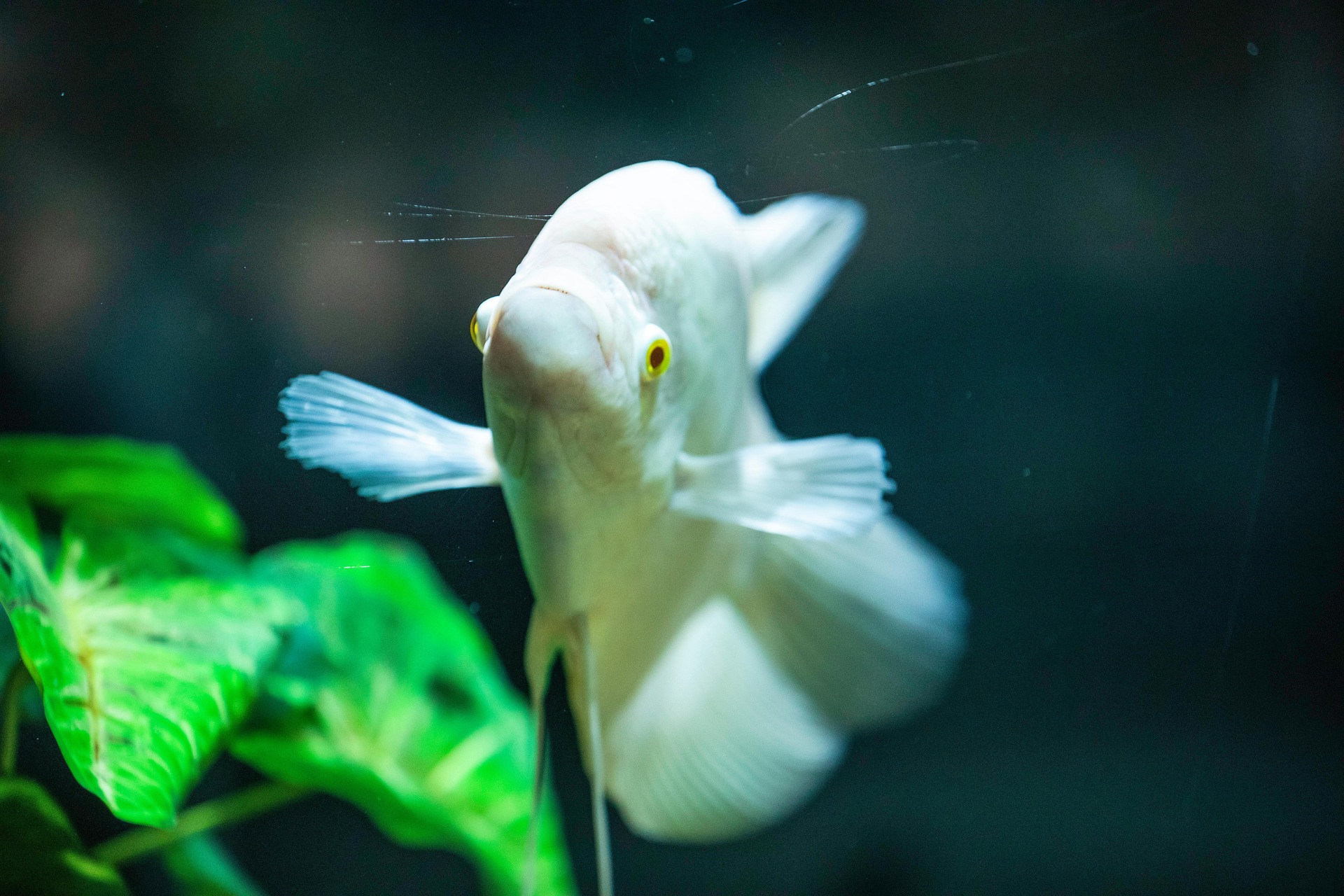
Betta is probably the most popular aquarium fish in Brazil. Vibrant colors, spectacular fins, striking personality. And also one of the most mistreated fish due to misinformation. Those bettas in tiny cups in stores? That's survival, not life.
A well-cared betta lives years, displays intense colors, interacts with owner, and is fascinating to observe. A mistreated betta survives months in lethargic state until succumbing to preventable diseases.
Debunking the biggest myth
"Betta lives in puddles, doesn't need space"
This myth comes from the fact that, in the dry season of Southeast Asia, wild bettas sometimes get trapped in temporary puddles. This is an emergency survival situation, not ideal habitat.
Actually, bettas in nature inhabit rice paddies, canals and flooded areas with plenty of space. The ability to breathe atmospheric air (labyrinth) is an adaptation to survive in oxygen-poor waters, not to live in tiny cups.
O aquário ideal
Tamanho mínimo: 10 litros. Recomendado: 20 litros ou mais. Quanto maior, mais estável e fácil de manter.
Aquecedor: Essencial. Betta é peixe tropical que precisa de água entre 24-28°C. Água fria deixa ele letárgico, enfraquece o sistema imunológico e encurta a vida. Mesmo em regiões quentes, aquecedor mantém temperatura estável (variações bruscas são estressantes).
Filtro: Recomendado, mas com fluxo baixo. Bettas não gostam de correnteza forte, suas nadadeiras longas dificultam nadar contra a corrente. Filtros de esponja ou filtros ajustáveis em potência baixa são ideais.
Sem filtro? Possível em aquários maiores (20+ litros), mas exige trocas de água mais frequentes e atenção redobrada à qualidade.
Alimentação
Bettas são carnívoros. Na natureza comem insetos, larvas, pequenos invertebrados. A dieta deve refletir isso:
Base: Ração específica pra bettas (granulada ou em flocos de qualidade). As bolinhas específicas pra betta são formuladas pra suas necessidades.
Complementos: Alimentos vivos ou congelados algumas vezes por semana fazem maravilhas. Artêmia, bloodworms (larvas de mosquito), daphnia. Isso estimula comportamento natural e melhora coloração.
Quantidade: O estômago do betta é aproximadamente do tamanho do olho dele. 2-4 grânulos por refeição, 1-2 vezes ao dia, é suficiente. Excesso causa constipação e problemas de bexiga natatória.
Compatibility: the fighting fish
The name "Siamese fighting fish" is not for nothing. Males are extremely territorial with each other. Two males in the same aquarium will fight until one dies.
Males: One per aquarium. Always. No exceptions.
Females: Can live in groups ("sororities"), but it's an advanced setup that requires large aquarium (60+ liters), many hiding places, and knowing how to handle conflicts.
With other fish: Possible, but with care. Avoid colorful fish with long fins (betta may confuse with rival), fin-nipping fish (tetras, barbs), and very active fish that stress the betta.
Generally safe companions: corydoras, otos, snails, some shrimp (may eat fry).
Each betta has its own personality. Some are peaceful, others attack anything. Always have a plan B if cohabitation doesn't work.
Normal behavior
Making bubble nests: Males build bubble nests at surface. It's reproductive instinct, doesn't mean it needs a female. Sign of health and comfort.
Flaring (opening gills and fins): Threat display. Does when seeing reflection, another betta, or sometimes even colorful objects. A bit of flaring exercise is healthy, but constant mirror causes stress.
Swimming up and down the glass: Sometimes it's "glass surfing" from stress or boredom. Check parameters and enrich environment.
Resting on leaves or decoration: Normal. Bettas like to "lie down" on surfaces near the top.
Signs of problems
Faded colors: Stress, disease, or inadequate water. Healthy betta has vibrant colors.
Closed fins: Sign of stress or disease. Healthy betta displays open fins.
Lethargy: Staying still at bottom or floating motionless at surface. May be low temperature, disease, or bad water.
White spots: Probably ich (common disease). Treatable if detected early.
Torn fins or whitish edges: May be fin rot (bacterial or fungal). Check water quality.
Very swollen belly: Constipation or dropsy. Constipation responds to fasting and shelled peas. Dropsy (scales raised like pinecone) is serious and frequently fatal.
Common diseases
Ich (white spots): Common parasite. Treatment with elevated temperature (30°C) and/or specific medication. Highly contagious.
Fin rot: Bacterial infection that eats fin edges. Usually caused by poor water quality. Improve parameters, consider aquarium salt or medication.
Velvet: Parasite that gives golden dust appearance on body. Treatment with darkness and medication.
Constipation: Swollen belly, difficulty swimming. Fast for 2-3 days, then cooked and shelled peas.
Most diseases in bettas are related to poor water quality or stress from inadequate conditions. Prevention is easier than treatment.
Varieties
Breeders have developed dozens of tail and color varieties:
Tails: Veil (classic), Halfmoon (180°), Crowntail (pointed rays), Plakat (short tail, closer to wild), Delta, Super Delta, Dumbo (large pectorals), and many others.
Colors: Practically any imaginable color. Solids, bicolors, multicolors, marbles (that change color throughout life), metallics, etc.
All are the same species and need the same care. Very long fin varieties (like Halfmoon) may have more difficulty swimming and are more prone to damage.
How long does a betta live?
With adequate care, 3-5 years. Some reach 7. Store bettas are usually already 6 months to 1 year old when you buy (males are sold already with developed fins).
The difference between a betta that lives 1 year (common with inadequate care) and one that lives 4-5 years is entirely in the conditions you provide: space, temperature, clean water, adequate feeding.
Why bettas are special
Bettas recognize their owners. Come to the front of the aquarium when you approach. Some accept food from hand. Have distinct personalities: some curious, others shy, some aggressive, others calm.
It's a fish that interacts, that you know as an individual. This, along with spectacular beauty, explains why so many people fall in love with bettas.
They deserve more than a tiny cup on a shelf.