Aquarium keeping is a fascinating hobby. A piece of aquatic nature in your living room, colorful fish swimming, plants swaying. It's therapeutic to watch, beautiful to see, and can be as simple or complex as you want.
But it's also a hobby that punishes beginner mistakes with fish deaths. The learning curve is real. Understanding some basic concepts before starting will save you a lot of money, frustration and, most importantly, lives.
The number one mistake
Buying the aquarium and fish on the same day. It's the most common and most fatal mistake. Seems logical: you want to start right away, the store sells everything together, why wait?
Because a new aquarium is toxic. Tap water is too clean. It doesn't have the beneficial bacteria that process fish waste. Without these bacteria, ammonia (from fish poop and pee) accumulates and poisons them.
This is called "new tank syndrome" and kills more beginner fish than any disease.
Debunking myths
Myths that kill fish
"Betta lives in puddles, doesn't need space" - False. Bettas need at least 10-20 liters, heater and filter. The puddle idea comes from temporary survival in nature, not ideal conditions.
"Small aquarium is easier" - Actually it's the opposite. The smaller the water volume, the faster parameters destabilize. A 50-liter aquarium is much easier to maintain than a 10-liter one.
"Goldfish can live in small aquarium" - Goldfish (koi) grow a lot and produce a lot of waste. Need large aquariums (100+ liters) or ponds.
"Full water change is good" - Changing all water at once kills beneficial bacteria and stresses fish. Partial changes (20-30%) weekly are correct.
Choosing aquarium size
Bigger is better. Always. If you're in doubt between two sizes, choose the larger one.
For beginners, I recommend starting with at least 50-60 liters. Seems like a lot, but it's a size that:
- Forgives mistakes (more water = dilution of problems)
- Allows variety of fish
- Is more stable in temperature and chemistry
- Isn't so large that it becomes heavy work
10-20 liter aquariums are possible, but require more attention and greatly limit fish options.
Basic equipment
Filter: Essential. It's where beneficial bacteria live and what keeps water circulating. There are several types (internal, external, hang-on). For beginners, internal or hang-on filters are practical and efficient.
Heater: Most tropical fish need water between 24-28°C. In cold regions or with air conditioning, heater is mandatory. Even in warm places, it helps maintain stable temperature.
Thermometer: To monitor temperature. Heaters can fail or malfunction.
Lighting: Necessary if you want live plants. For fish-only aquariums, ambient light may be sufficient.
Substrate: Gravel, sand or fertile substrate (for plants). Besides aesthetics, serves as home for beneficial bacteria.
Fish for beginners
Some species are more resistant and forgive beginner mistakes:
Betta: Beautiful, resistant, can live alone. Needs heater. Don't put two males together.
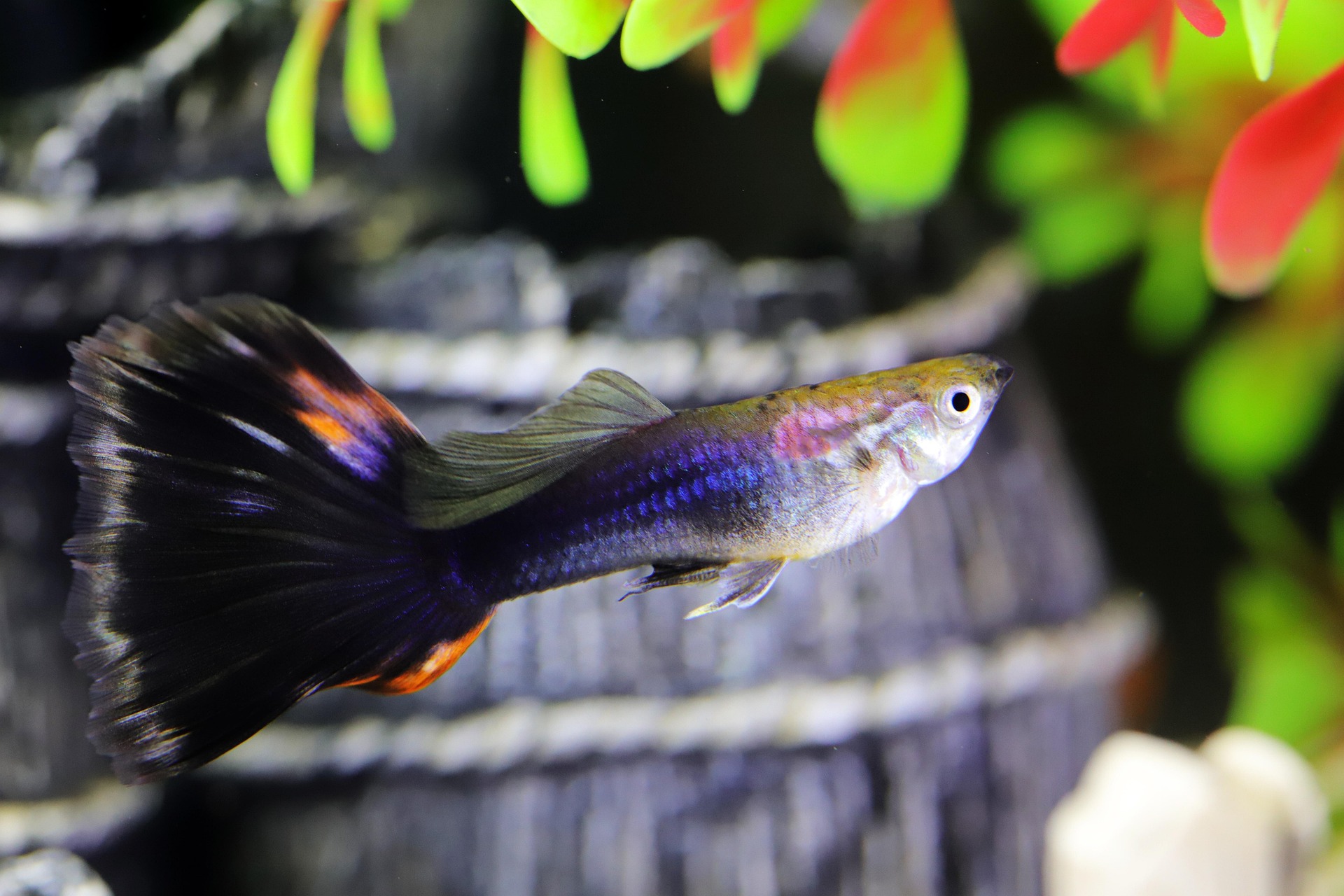
Guppy: Colorful, active, easy to care for. But reproduces quickly, so beware of overpopulation.
Platy and Molly: Resistant, colorful, sociable. Also reproduce easily.
Corydora: Bottom fish, peaceful, helps clean leftovers. Keep in groups of at least 4-6.
Neon tetra: Classic of aquarium keeping. Beautiful in schools. Needs group (6+) and stabilized water.
The centimeter per liter rule
There's an old rule: 1cm of adult fish per liter of water. It's a rough simplification, but serves as a starting point.
In a 50-liter aquarium, you could theoretically have 50cm of fish. That would be, for example, a 6cm betta + 6 neons of 4cm each (24cm) + 4 corydoras of 5cm each (20cm) = 50cm. Works as an estimate.
But the rule ignores that some fish produce more waste than others, that schooling fish need space to swim, and that less is almost always more in aquarium keeping.
An experienced aquarist told me: "Think about how many fish you want. Now divide by two. That's the right number."
Basic maintenance
Aquarium set up and cycled, fish added. Now the maintenance work:
Daily: Feed the fish (amount they eat in 2-3 minutes, no more), check if all are well, verify temperature.
Weekly: Partial water change (20-30%), clean glass if necessary, check equipment.
Monthly: Clean filter (in aquarium water, not tap water, to preserve bacteria), prune plants if you have them.
Seems laborious, but in practice it's about 30-60 minutes per week after you get the hang of it.
When something goes wrong
Fish dying, cloudy water, algae taking over. Problems happen. The key is to identify the cause:
Test the water. High ammonia or nitrite? Cycling problem or overpopulation. Do more frequent partial changes.
Observe the fish. Strange behavior, spots, damaged fins? Could be disease.
Review what changed. Added new fish? Changed something in feeding? Did different maintenance?
Most problems in aquarium keeping are solved with: partial water changes, patience, and not trying to "fix" too much at once.
The growing hobby
Aquarium keeping has a dangerous tendency: you start with a small aquarium "just to see if you like it", and end up with three aquariums, a planted aquarium project, and researching about raising shrimp.
It's a hobby that pulls you in. The more you learn, the more you want to learn. The more you see beautiful aquariums, the more you want to improve yours.
Start slowly, learn the fundamentals, respect the processes (especially cycling!), and you'll have years of satisfaction with this piece of aquatic world in your home.