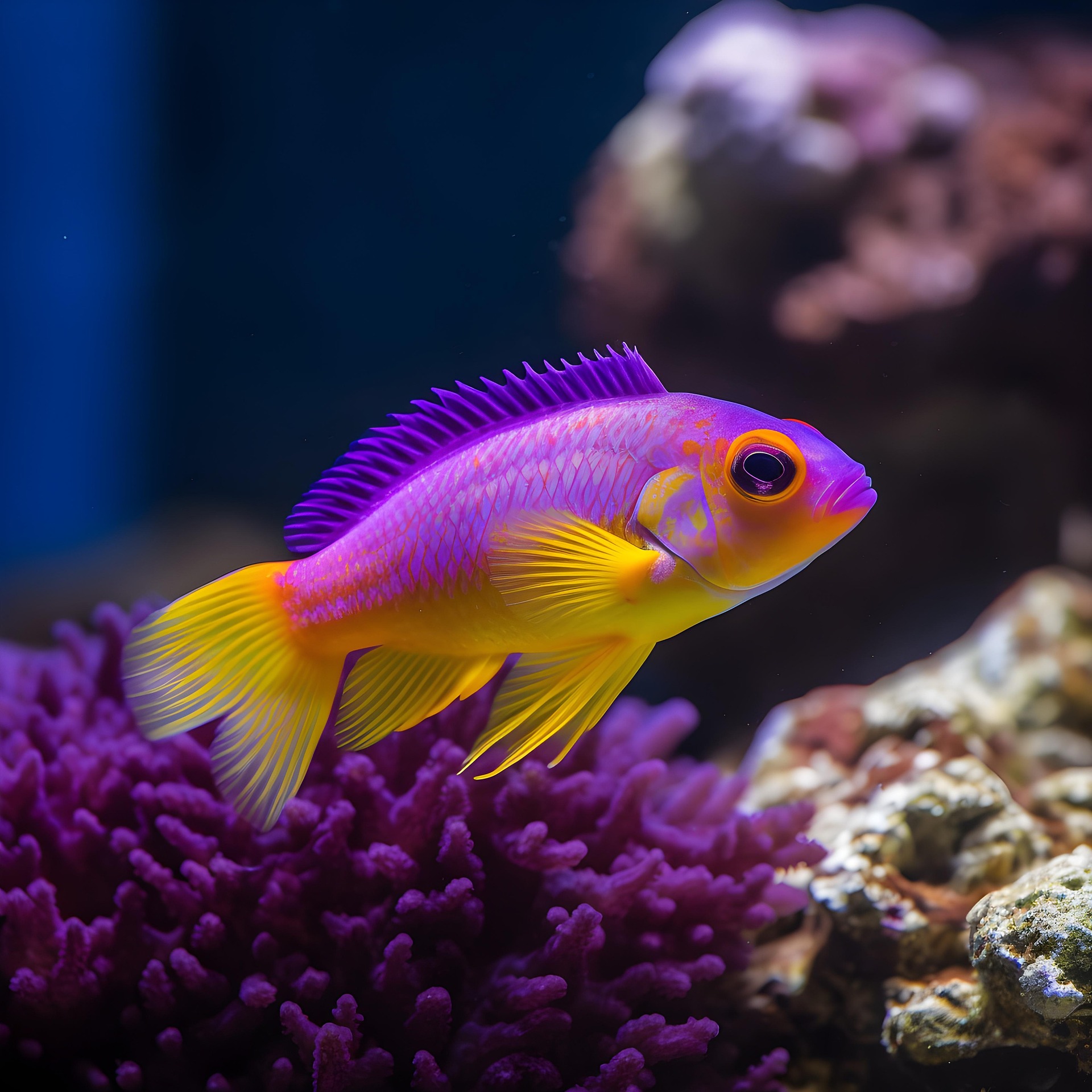
Plants transform an aquarium. Beyond obvious beauty, they consume nitrate (helping water quality), produce oxygen, offer hiding places for fish, and compete with algae for nutrients. A well-planted aquarium is a more balanced ecosystem.
But aquarium plants have specific needs. It's not just putting them in water and waiting for them to grow. This guide will give you the basics to start.
What plants need
The three pillars
Light: Plants do photosynthesis. Without adequate light, they don't grow. Direct sunlight doesn't work (causes algae). You need specific lighting for aquariums.
Nutrients: CO₂ (from air or injection), macronutrients (nitrogen, phosphorus, potassium) and micronutrients (iron, etc). Part comes from fish waste, part you may need to supplement.
Substrate: Many plants feed through roots. Fertile substrate helps. Some plants don't use substrate (floating, epiphytes).
The good news: there are plants that survive with very little. Basic light, no injected CO₂, no fertile substrate. They're ideal for beginners.
Difficulty levels
Low-tech (easy): Basic lighting, no CO₂ injection, simple substrate (even gravel works for some). Slower growth, but possible with the right plants.
Medium-tech: Moderate lighting, maybe liquid CO₂ (not as efficient as injection, but helps), fertile substrate. More plant options.
High-tech: Strong lighting, pressurized CO₂ injection, fertile substrate, regular fertilization. Fast growth, greater variety of plants, but requires more knowledge and maintenance.
If you're starting, stay low-tech. Learn the basics before investing in expensive equipment.
Easy plants for beginners
Anubias
Practically indestructible. Grows slowly, tolerates low light, doesn't need substrate (tie to rock or driftwood). Don't bury the rhizome (horizontal stem) or it rots. Various species of different sizes.
Java Fern (Microsorum)
Another epiphyte (grows attached to surfaces, not buried). Tolerates low light, grows slowly, very resistant. Fix to driftwood or rocks.
Java Moss (Taxiphyllum)
Moss that attaches to any surface. Great for covering driftwood, creating green walls, hiding place for fry. Tolerates practically any condition.
Elodea / Egeria
Fast-growing plant. Can be planted or left floating. Consumes many nutrients (good against algae). Needs a bit more light than previous ones.
Vallisneria
Looks like tall grass. Grows by stolons (spreads). Easy to maintain, tolerates various conditions. Good for aquarium background.
Cryptocoryne
Various species. Slow growth, tolerates low light, but needs substrate. May "melt" when transplanted (stress), but usually recovers.
Iluminação
A luz que vem com aquários baratos geralmente é insuficiente pra plantas. Você pode precisar fazer upgrade.
LED é o padrão atual: eficiente, durável, não esquenta a água. Procure luzes específicas pra aquário plantado com espectro adequado (6500K é uma boa referência pra crescimento).
Tempo de iluminação: 6-10 horas por dia. Menos que isso as plantas sofrem. Mais que isso pode favorecer algas. Timer é seu amigo.
Substrate
For plants that feed through roots, fertile substrate makes a difference. Options:
Commercial fertile substrates: ADA Aquasoil, Seachem Flourite, etc. Already come with nutrients. Some lower pH (good for some plants and fish, bad for others).
Fertilized soil + gravel: Layer of soil underneath, gravel on top to not cloud. Works, but more laborious.
Common gravel + root tabs: Fertilizer tablets you bury. Adds nutrients locally.
For epiphyte plants (anubias, java fern) and floating, substrate doesn't matter.
CO₂
Plants use CO₂ for photosynthesis. In aquariums without injection, they use naturally dissolved CO₂ (from fish respiration and exchange with air). It's sufficient for undemanding plants.
CO₂ injection (pressurized cylinder + regulator + diffuser) drastically accelerates growth and allows more demanding plants. But it's a significant investment and requires monitoring (too much CO₂ suffocates fish).
Liquid CO₂ (Seachem Excel, for example) is a simpler alternative, but less efficient. Can help in medium-tech setups.
Fertilization
Besides CO₂, plants need nutrients. Fish waste provides nitrogen and phosphorus. But potassium, iron and other micronutrients may be missing.
Liquid fertilizers (add to water) or root tabs (bury in substrate) complement. Not necessary in every aquarium, but yellowing plants or weak growth may be asking for nutrients.
Common problems
Plants melting: Normal after transplant (stress). If continues after weeks, may be lack of nutrients or light.
Yellowing leaves: Often lack of iron or nitrogen. Fertilize.
Leaves with holes: May be potassium deficiency or snails eating.
Slow growth: Normal for some species. If very slow, check light and nutrients.
Algae on plants: Light/nutrient imbalance. Excess light or nutrients without enough plants to consume. Reduce lighting, do water changes.
Maintenance
Pruning: Plants grow. Some become aggressive and take over. Pruning maintains aesthetics and redirects energy to healthy growth.
Removal of dead leaves: Yellow or dead leaves should be removed. Rotting, they become ammonia.
Replanting: Plants that grow by stolons spread. You can separate and replant, or remove excess.
Compatibility with fish
Some fish eat plants: goldfish, silver dollars, some cichlids. Research before combining.
Bottom-dwelling fish that dig (corydoras, cichlids) may uproot plants. Use strong-rooted plants or epiphytes.
Shrimp and snails are generally beneficial: eat algae, detritus, and only attack already dying plants.